Introduction: The Critical Role of Feed Production in Aquaculture Development
Aquaculture has become one of the most important sources of aquatic products worldwide. As global demand for fish, shrimp, and other aquatic species continues to rise, the aquaculture industry is experiencing rapid expansion. However, successful aquaculture depends on many factors, including water management, breeding technology, disease prevention, and most importantly, feed quality.
Feed is the foundation of aquaculture production. It provides aquatic animals with essential nutrients required for growth, reproduction, immunity, and overall health. In intensive farming systems, natural food sources are often insufficient to support high production levels, making professionally manufactured aquatic feed essential.
Aquatic feed production plays a key role because it transforms various raw materials into nutritionally balanced and highly digestible feed products. Through advanced processing technology, manufacturers can produce pellets that improve feed efficiency, reduce waste, and support sustainable farming practices.
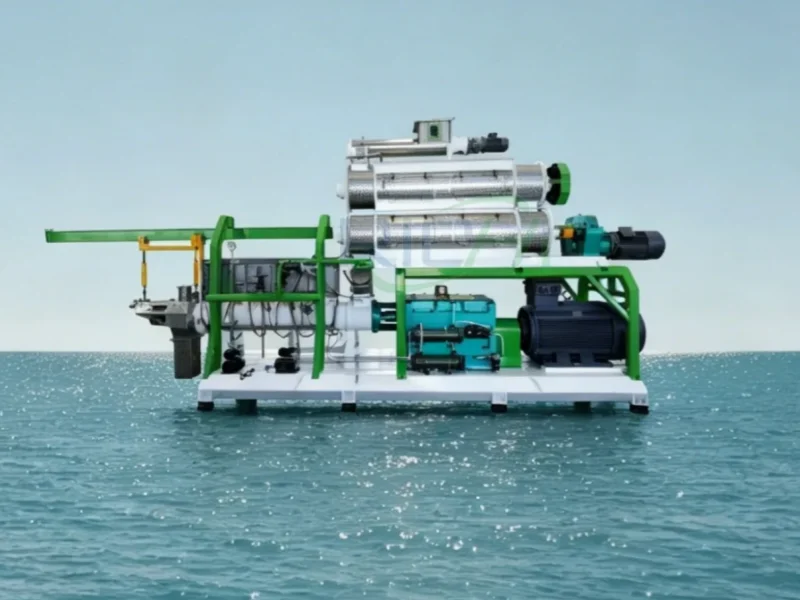
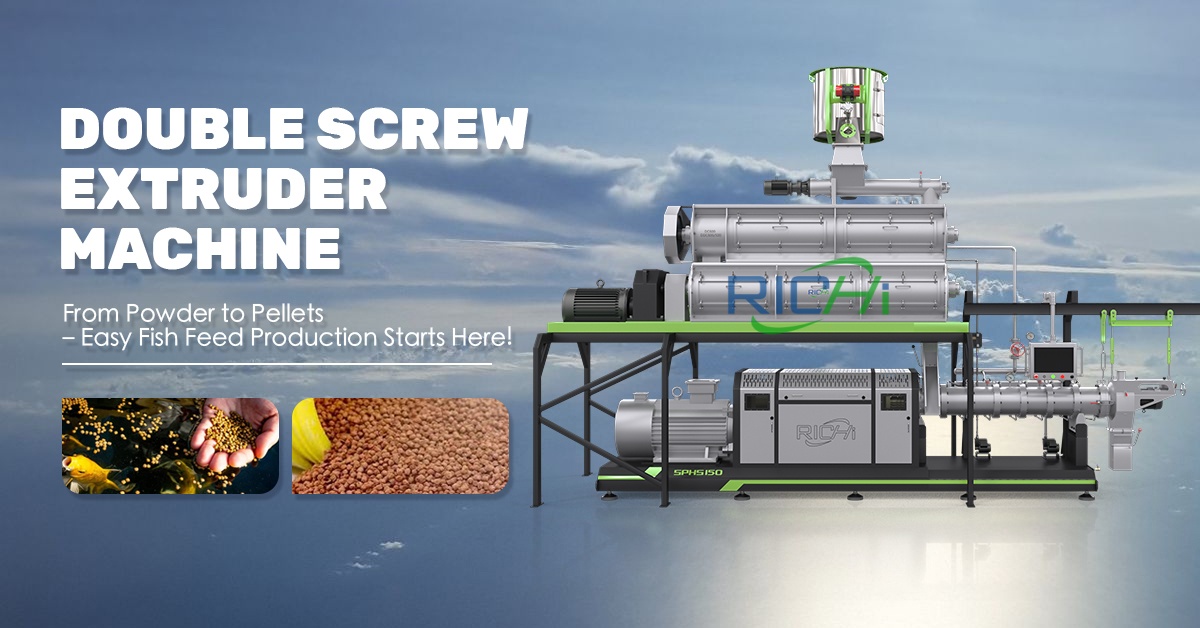
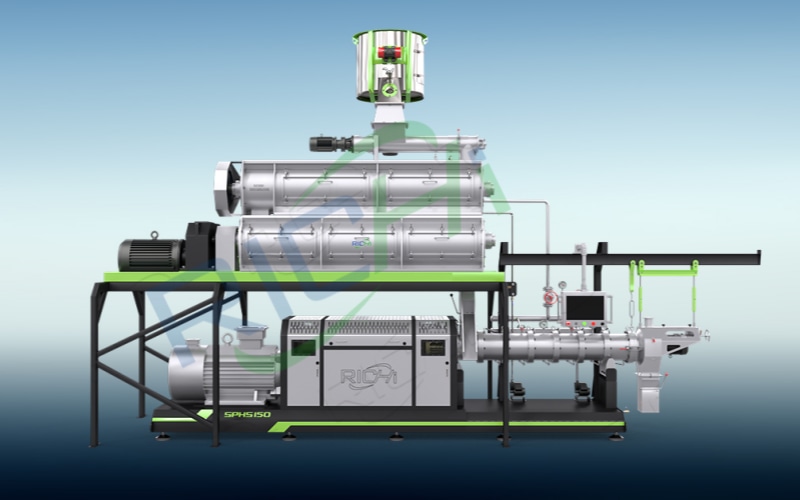
Modern aquatic feed production relies on advanced machinery and production systems. Equipment such as floating feed extruder equipment enables manufacturers to produce high-quality floating pellets with excellent water stability, consistent size, and improved nutritional performance.
As the aquaculture industry continues to grow, efficient aquatic feed production is no longer just a supporting process. It has become a key factor determining farming profitability, environmental sustainability, and the future development of global aquaculture.
Aquatic Feed Provides Essential Nutrition for Fish Growth
The primary purpose of aquatic feed production is to provide balanced nutrition that supports healthy aquatic animal development.
Unlike traditional farming methods that depend mainly on natural food sources, modern aquaculture requires formulated feed to achieve predictable growth and commercial efficiency.
High-quality aquatic feed contains carefully selected nutrients, including:
- Protein
- Fat
- Carbohydrates
- Vitamins
- Minerals
- Functional additives
Each nutrient has a specific role in aquatic animal development.
Protein Supports Growth and Tissue Development
Protein is one of the most important components of aquatic feed. It provides amino acids needed for:
- Muscle formation
- Tissue repair
- Growth development
Different aquatic species have different protein requirements, so professional feed manufacturers develop formulas according to species characteristics.
Energy Improves Feed Utilization
Energy sources allow aquatic animals to use protein more efficiently for growth rather than basic metabolism.
Balanced energy levels contribute to:
- Faster growth
- Better feed conversion
- Improved production efficiency
Vitamins and Minerals Enhance Health
Micronutrients support:
- Immune function
- Bone development
- Reproductive performance
- Stress resistance
Through scientific feed formulation, aquatic feed production ensures that farmed species receive complete and balanced nutrition.
Efficient Feed Production Improves Aquaculture Profitability
Feed is usually the largest operating expense in aquaculture. Therefore, improving feed efficiency directly affects farm profitability.
High-quality aquatic feed production helps farmers reduce costs by improving:
- Feed conversion ratio
- Nutrient absorption
- Growth performance
- Feed management
A well-designed feed product allows aquatic animals to obtain more nutrients from every pellet.
This means farmers can achieve target growth with less feed consumption.
Efficient feed production helps reduce:
- Feed waste
- Production costs
- Resource consumption
For commercial aquaculture farms, even a small improvement in feed efficiency can create significant economic benefits.
Floating Feed Improves Feeding Management
One of the major developments in aquatic feed production is the widespread use of floating feed.
Floating feed remains on the water surface after feeding, allowing farmers to observe feeding activity and adjust feeding strategies.
This provides several advantages:
Better Feeding Control
Farmers can monitor:
- Feeding speed
- Fish appetite
- Remaining feed
- Daily consumption
This helps prevent overfeeding and reduces unnecessary feed loss.
Easier Farm Management
Visible feed makes it easier to evaluate fish behavior and identify possible problems.
Changes in feeding activity may indicate:
- Poor water conditions
- Disease risks
- Environmental stress
Improved Feed Efficiency
Accurate feeding management ensures that more feed is converted into aquatic animal growth instead of becoming waste.
The production of high-quality floating feed depends heavily on advanced processing technology and reliable equipment.
The Importance of Extrusion Technology in Aquatic Feed Production
Extrusion technology has become one of the most important innovations in modern aquatic feed manufacturing.
During extrusion, raw materials are processed under controlled conditions involving:
- Heat
- Pressure
- Moisture
- Mechanical force
This process changes the physical and nutritional characteristics of feed materials.
Extrusion provides several benefits:
Improved Digestibility
Heat treatment improves starch gelatinization, making nutrients easier for aquatic animals to absorb.
Better Pellet Structure
Extrusion creates pellets with improved:
- Durability
- Expansion
- Shape consistency
Enhanced Water Stability
High-quality pellets remain intact in water longer, reducing nutrient loss.
Controlled Floating Ability
Manufacturers can adjust processing conditions to achieve specific floating characteristics.
These advantages make extrusion technology essential for producing modern aquatic feed products.
Floating Feed Extruder Equipment Supports High-Quality Production
The quality of floating feed depends greatly on the performance of production equipment.
Floating feed extruder equipment plays a central role in transforming feed formulas into finished floating pellets.
https://richipelletizer.com/floating-fish-feed-extruder-machine
Modern extrusion equipment provides manufacturers with several advantages.
Consistent Pellet Quality
Advanced extruders help produce pellets with:
- Uniform size
- Stable density
- Reliable floating performance
Consistency is essential because aquatic farms require stable feed quality throughout production cycles.
Flexible Production Capability
Floating feed extruder equipment can process different formulas and produce various pellet specifications.
Manufacturers can adjust:
- Pellet size
- Density
- Nutritional formulas
- Processing parameters
This allows businesses to serve different markets and aquatic species.
Improved Production Efficiency
Modern extrusion systems are designed for continuous operation, helping manufacturers increase output while maintaining quality.
Efficient production reduces:
- Labor requirements
- Energy waste
- Manufacturing costs
Aquatic Feed Production Reduces Environmental Impact
Sustainable aquaculture requires efficient use of resources and responsible environmental management.
Poor-quality feed can create environmental problems because uneaten feed may:
- Accumulate in water
- Release excess nutrients
- Reduce water quality
Modern aquatic feed production helps solve these problems by creating pellets with better utilization efficiency.
Benefits include:
- Reduced feed waste
- Lower nutrient pollution
- Improved water management
Floating feed is especially valuable because farmers can monitor consumption and adjust feeding quantities.
By improving feed efficiency, aquatic feed production contributes to more environmentally friendly aquaculture practices.
Supporting Different Aquaculture Species and Farming Systems
Another reason aquatic feed production is essential is its ability to support diverse farming systems.
Different species have different nutritional needs and feeding behaviors.
Modern feed manufacturers can produce specialized feeds for:
- Tilapia
- Carp
- Catfish
- Trout
- Shrimp
- Other aquatic species
Customized feed solutions consider:
- Species requirements
- Growth stages
- Farming environment
- Production goals
For example:
Juvenile Feed
Small aquatic animals require smaller pellets with higher digestibility.
Grow-Out Feed
Growing fish require balanced nutrition for rapid development.
Breeding Feed
Breeding animals may require specialized nutrients.
Professional feed production enables farmers to achieve better results across different aquaculture operations.
Improving Large-Scale Aquaculture Through Industrial Feed Production
As aquaculture becomes more commercialized, large-scale farms require reliable feed supply systems.
Modern aquatic feed production provides:
- Stable production capacity
- Consistent quality
- Customized solutions
- Efficient logistics
Large feed factories can produce thousands of tons of feed while maintaining strict quality standards.
Advanced production lines integrate:
- Automatic batching
- Grinding systems
- Mixing equipment
- Extrusion systems
- Drying units
- Packaging machines
This integrated approach allows the aquaculture industry to meet increasing market demand.
Automation Enhances Aquatic Feed Manufacturing Efficiency
Automation has become an important trend in modern aquatic feed production.
Automated systems improve production through:
Accurate Ingredient Control
Automatic weighing systems ensure precise formulation.
Stable Processing
Production parameters remain consistent.
Reduced Labor Requirements
Automation reduces dependence on manual operations.
Improved Quality Monitoring
Digital systems can track production data and identify problems quickly.
For feed manufacturers, automation improves efficiency and helps maintain competitive advantages.
(Learn more about automatic floating fish feed plant)
Quality Control Ensures Reliable Aquatic Feed Products
Producing high-quality aquatic feed requires strict quality management throughout the manufacturing process.
Quality control includes:
Raw Material Testing
Manufacturers check:
- Nutritional value
- Moisture content
- Safety indicators
Production Monitoring
Important parameters include:
- Temperature
- Moisture
- Pressure
- Processing time
Finished Product Inspection
Final pellets are evaluated for:
- Nutritional composition
- Pellet durability
- Floating ability
- Water stability
Strong quality control ensures that farmers receive reliable feed products.
Choosing the Right Aquatic Feed Production Solution
Selecting suitable production equipment is an important decision for feed manufacturers.
The ideal solution should consider:
Production Capacity
Equipment should match current demand and future expansion plans.
Feed Requirements
Different products may require different processing technologies.
Raw Materials
The production system should handle available ingredients effectively.
Investment Budget
Businesses should evaluate both initial investment and long-term operating costs.
A suitable production solution improves efficiency, reduces risks, and creates better business returns.
Future Trends in Aquatic Feed Production
The future of aquatic feed production will focus on efficiency, sustainability, and innovation.
Important trends include:
Smart Manufacturing
Digital technologies will improve production monitoring and energy management.
Sustainable Ingredients
Manufacturers will explore alternative protein sources and environmentally friendly materials.
Advanced Extrusion Technology
Improved extrusion systems will provide better control over pellet quality.
Customized Nutrition
Precision formulas will help meet the needs of specific aquatic species.
These developments will further strengthen the role of feed production in global aquaculture.
Conclusion: Aquatic Feed Production Drives the Future of Aquaculture
Aquatic feed production is a fundamental part of modern aquaculture because it directly influences growth performance, production efficiency, profitability, and sustainability.
High-quality feed provides balanced nutrition, improves feed utilization, reduces waste, and helps farmers achieve better production results. Advanced technologies, especially floating feed extruder equipment, allow manufacturers to produce reliable floating pellets that meet the changing needs of the aquaculture market.
As global demand for aquatic products continues to increase, efficient and sustainable feed production will become even more important. Businesses that invest in advanced equipment, optimize manufacturing processes, and focus on feed quality will be better positioned to support the future growth of the aquaculture industry. (Richi Manufacture)