

Introduction
The global aquaculture industry has experienced rapid development in recent years, becoming one of the most important sources of animal protein worldwide. As population growth, urbanization, and changing dietary habits continue to increase seafood consumption, the demand for farmed fish, shrimp, and other aquatic products is expanding significantly. To support this growth, the aquaculture industry requires reliable, nutritious, and efficient feed solutions that can help farmers achieve higher productivity while maintaining sustainable farming practices.
Aquatic feed production plays a vital role in meeting this growing market demand. High-quality aquatic feed provides essential nutrients that support aquatic animal growth, improve feed conversion efficiency, reduce farming costs, and maintain healthy production environments. With the development of advanced processing technologies, modern feed manufacturers are now able to produce specialized feeds for different species, farming systems, and market requirements.
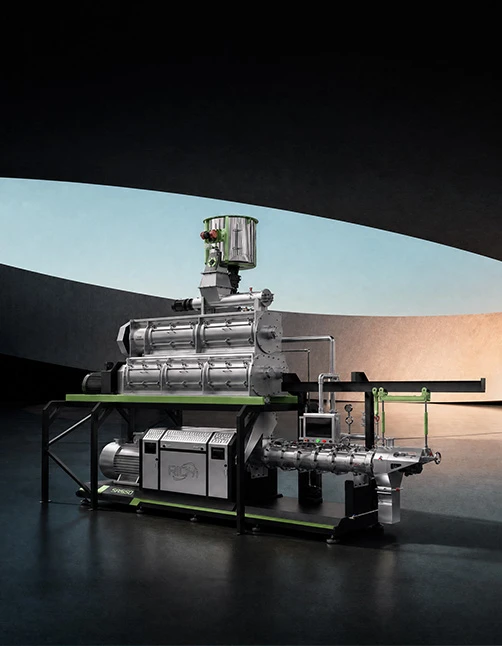
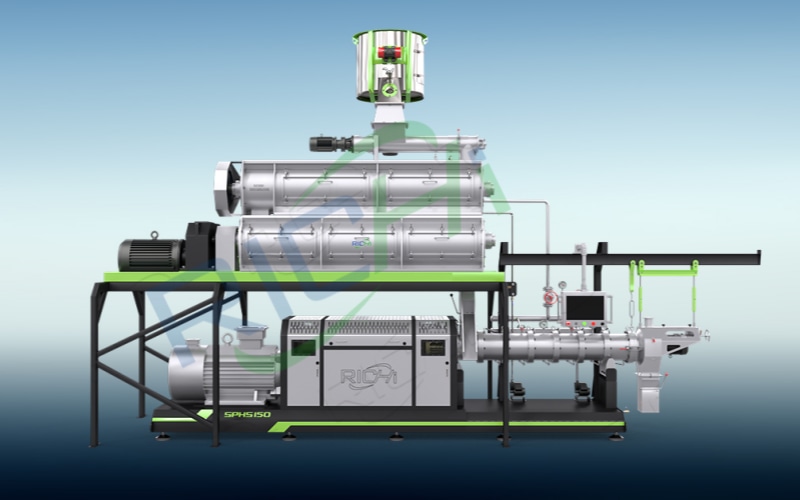
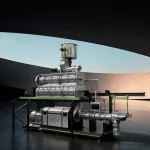
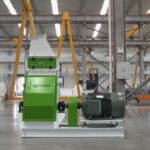
A professional shrimp feed production plant is an important example of how modern aquatic feed technology supports market expansion. By using advanced formulation systems, extrusion technology, and strict quality control processes, such plants can produce shrimp feed with excellent water stability, nutritional balance, and feeding performance to meet the increasing needs of global shrimp farming.
This article explores how aquatic feed production responds to growing market demand and explains the technologies, strategies, and innovations that enable the industry to support the future development of aquaculture.
1. The Rapid Growth of Aquaculture Drives Feed Demand
Aquaculture has become one of the fastest-growing sectors in global food production. As wild fish resources face limitations, farmed aquatic products have become increasingly important for meeting seafood demand.
Several factors are driving the expansion of aquaculture:
- Increasing global population
- Rising demand for high-protein food
- Limited growth potential of wild fisheries
- Government support for sustainable food production
- Growing consumer preference for seafood
As fish and shrimp farming expands, the demand for commercial aquatic feed continues to increase. Farmers need high-performance feed products that can support intensive production systems and improve profitability.
Aquatic feed production helps meet this demand by providing:
- Species-specific nutrition
- Consistent feed quality
- Efficient production solutions
- Large-scale supply capability
Without advanced feed manufacturing, modern aquaculture would struggle to achieve the production levels required by global markets.
2. Producing Specialized Feed for Different Aquatic Species
One of the most important ways aquatic feed production meets market demand is through specialization.
Different aquatic animals have different nutritional requirements, feeding behaviors, and growth characteristics. Therefore, manufacturers must develop specific feed formulas for various species.
Common aquatic feed categories include:
- Fish feed
- Shrimp feed
- Crab feed
- Marine fish feed
- Ornamental fish feed
For example, shrimp require feed with:
- High protein availability
- Excellent water stability
- Attractive taste
- Balanced amino acids
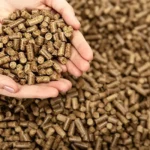
A modern shrimp feed production plant is designed specifically to meet these requirements by using advanced processing technology to produce pellets that remain stable in water and provide efficient nutrient absorption.
This specialization allows feed producers to serve diverse aquaculture markets and respond effectively to changing customer needs.
https://richipelletizer.com/aqua-feed-plant
3. Advanced Feed Formulation Improves Market Adaptability
Market demand is not only increasing in quantity but also becoming more diverse. Farmers require feed products that match different production goals and environmental conditions.
Modern aquatic feed manufacturers use scientific formulation methods to create customized products.
Feed formulas are developed based on:
Species Requirements
Different aquatic animals require different levels of:
- Protein
- Fat
- Energy
- Minerals
- Vitamins
Growth Stages
Young aquatic animals often need nutrient-dense feed, while adult animals may require different nutritional ratios.
Farming Conditions
Feed formulas may be adjusted according to:
- Water temperature
- Farming density
- Production systems
- Regional conditions
Advanced formulation technology enables manufacturers to provide flexible solutions for different markets.
4. Extrusion Technology Supports High-Quality Aquatic Feed Production
Extrusion technology has become one of the most important developments in modern aquatic feed manufacturing.
Unlike traditional pelletizing methods, extrusion allows manufacturers to produce feed with specific physical characteristics required by aquatic animals.
The extrusion process involves:
- Controlled temperature
- Pressure
- Moisture adjustment
- Mechanical processing
The benefits include:
Improved Digestibility
Extrusion helps break down raw materials and improves nutrient availability.
Better Water Stability
Aquatic feed must maintain its structure after entering water. Extrusion creates durable pellets that reduce nutrient loss.
Flexible Feed Density
Manufacturers can produce:
- Floating feed
- Slow-sinking feed
- Sinking feed
Enhanced Safety
High-temperature processing helps reduce harmful microorganisms.
These advantages allow aquatic feed producers to supply products that meet the technical requirements of modern farming operations.
5. Meeting the Expanding Shrimp Farming Market
Shrimp farming has become one of the most valuable segments of global aquaculture. The increasing consumption of shrimp has created strong demand for specialized shrimp feed.
Shrimp farmers require feed that can provide:
- Fast growth
- High survival rates
- Good feed conversion
- Stable water quality
A professional shrimp feed production plant helps meet this demand by producing feed with optimized characteristics.
Important technologies include:
Precise Mixing Systems
Ensure uniform nutrient distribution.
Advanced Extrusion Processing
Improves pellet structure and digestibility.
Efficient Drying Systems
Maintain product stability and storage quality.
Oil Coating Technology
Adds energy sources and improves feed attractiveness.
By providing high-performance shrimp feed, manufacturers support the expansion of shrimp farming worldwide.
6. Increasing Production Capacity Through Modern Manufacturing Systems
As market demand grows, feed manufacturers need the ability to produce large quantities of feed efficiently.
Modern aquatic feed production systems improve capacity through:
- Automated material handling
- Continuous processing
- High-efficiency equipment
- Intelligent control systems
Large-scale production facilities can supply feed to:
- Local fish farms
- Commercial aquaculture companies
- International markets
Automation helps maintain stable output while reducing production errors.
This allows manufacturers to respond quickly to market growth and maintain reliable supply chains.
7. Improving Feed Efficiency to Support Farmers’ Needs
Meeting market demand is not only about producing more feed but also about producing better feed.
Farmers increasingly focus on feed efficiency because feed represents one of the largest production costs.
High-quality aquatic feed improves:
Feed Conversion Ratio
Better nutrient utilization means less feed is needed to produce the same amount of aquatic products.
Growth Performance
Balanced nutrition helps aquatic animals grow faster.
Farm Profitability
Lower feed consumption reduces production costs.
By improving feed performance, aquatic feed manufacturers help farmers achieve better economic results and encourage further industry development.
8. Reducing Environmental Pressure Through Efficient Feed Production
Sustainable aquaculture is becoming increasingly important as the industry expands.
Poor-quality feed can contribute to:
- Excess nutrients in water
- Organic waste accumulation
- Poor farming conditions
Modern aquatic feed production helps reduce environmental impact through:
Better Digestibility
Fish and shrimp absorb more nutrients, reducing waste discharge.
Improved Water Stability
Pellets remain intact longer and reduce nutrient leakage.
Accurate Feeding
High-quality feed supports better feeding management.
These advantages help farmers increase production while maintaining healthier aquatic environments.
9. Using Sustainable Ingredients to Meet Future Demand
As aquatic feed demand grows, sustainable ingredient management becomes increasingly important.
Traditional ingredients such as fish meal and fish oil face supply limitations. Therefore, manufacturers are exploring alternative sources, including:
- Plant proteins
- Insect protein
- Algae-based ingredients
- Agricultural by-products
Modern aquatic feed production systems allow manufacturers to adjust formulas while maintaining nutritional performance.
Sustainable ingredient strategies help:
- Reduce pressure on marine resources
- Improve supply stability
- Lower production risks
This supports the long-term development of the aquaculture industry.
10. Automation Enhances Production Reliability
Automation technology enables aquatic feed manufacturers to meet growing market demand with greater efficiency.
Modern automated systems can control:
- Raw material weighing
- Ingredient mixing
- Extrusion parameters
- Drying temperature
- Packaging operations
Benefits include:
Consistent Quality
Every batch maintains similar nutritional and physical characteristics.
Higher Productivity
Factories can operate continuously with improved efficiency.
Reduced Labor Costs
Automation decreases dependence on manual processes.
Better Management
Production data can be collected and analyzed for optimization.
Automation allows feed manufacturers to expand production while maintaining quality standards.
11. Quality Control Ensures Customer Confidence
As the aquatic feed market becomes more competitive, product quality has become a key factor influencing customer decisions.
Modern feed manufacturers implement strict quality control throughout production.
Important quality checks include:
Raw Material Testing
Ensures ingredient safety and nutritional value.
Process Monitoring
Controls:
- Temperature
- Moisture
- Pellet formation
- Processing conditions
Finished Feed Testing
Evaluates:
- Nutrient composition
- Pellet durability
- Water stability
- Storage performance
Reliable quality helps manufacturers build long-term relationships with aquaculture businesses.
12. Supporting Global Aquaculture Expansion
Aquatic feed production provides essential support for expanding aquaculture markets worldwide.
Different regions have different market demands:
Asia
Large-scale fish and shrimp farming requires high-volume feed supply.
Europe
Farmers focus on sustainable and high-quality feed solutions.
North America
Demand is increasing for advanced aquaculture technologies.
South America
Shrimp and fish farming industries continue to expand.
Modern feed production systems allow manufacturers to serve international markets by providing customized and reliable feed products.
13. Future Innovations in Aquatic Feed Production
The future of aquatic feed manufacturing will focus on improving efficiency, sustainability, and customization.
Key trends include:
Smart Manufacturing
Digital systems and artificial intelligence will optimize production processes.
Precision Nutrition
Feed formulas will become more accurate and species-specific.
Functional Feed Development
More products will focus on improving immunity and disease resistance.
Sustainable Production
Manufacturers will continue developing environmentally friendly ingredients and processes.
These innovations will help aquatic feed production continue meeting future market demand.
Conclusion
Aquatic feed production plays a fundamental role in supporting the growth of global aquaculture. As demand for fish, shrimp, and other aquatic products continues to increase, advanced feed manufacturing technology provides the solutions needed to improve production efficiency, maintain product quality, and support sustainable farming.
A modern shrimp feed pellet production line demonstrates how specialized feed systems can meet the nutritional requirements of rapidly expanding aquaculture sectors. Through scientific formulation, extrusion technology, automation, and strict quality control, these facilities produce high-performance feed that helps farmers achieve better growth, lower costs, and improved profitability.
As the aquaculture industry continues to develop, aquatic feed production will remain a key driver of market growth. By investing in advanced technologies and sustainable manufacturing practices, feed producers can effectively respond to increasing global demand and contribute to the future success of the aquaculture industry.