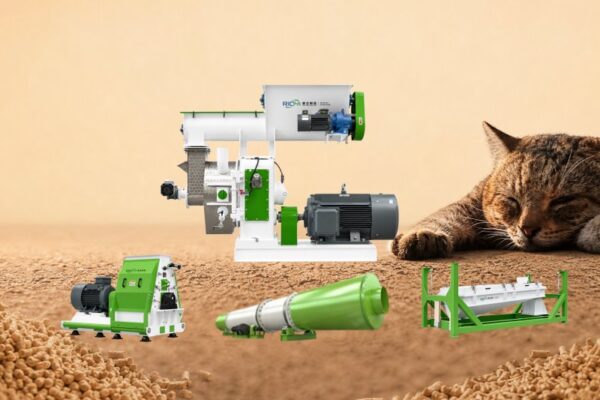


Can One Factory Produce Both Cat Litter and Animal Bedding?

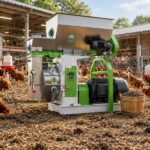
Diversification is becoming increasingly important for manufacturers working with wood residues. A company may already process sawdust or wood chips for one product but discover that the same raw-material supply can support other markets. Instead of relying on a single finished product, the factory can explore several applications that use similar preparation and forming technologies….

Read Full News

Why Germany Became a Benchmark for Industrial Processing

Germany has a reputation for engineering that extends far beyond cars and machine tools. The country’s approach to industrial production, built on precision, standardization, and long-term planning, has shaped how many manufacturing sectors operate. Material processing is no exception. Companies that want to understand efficient production often study German methods, not because they are perfect,…

Read Full News
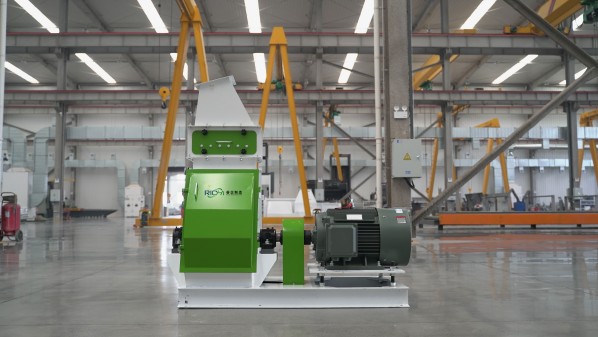
RICHI hammer mill

What Is the Wood Crushing Process

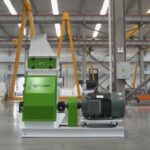
The wood crushing process is an important part of biomass processing, wood recycling, wood pellet production, briquette manufacturing, and other industries that use wood residues as raw materials. It converts large, irregular, or coarse wood materials into smaller and more uniform particles that are easier to dry, transport, mix, store, pelletize, or use as fuel….

Read Full News
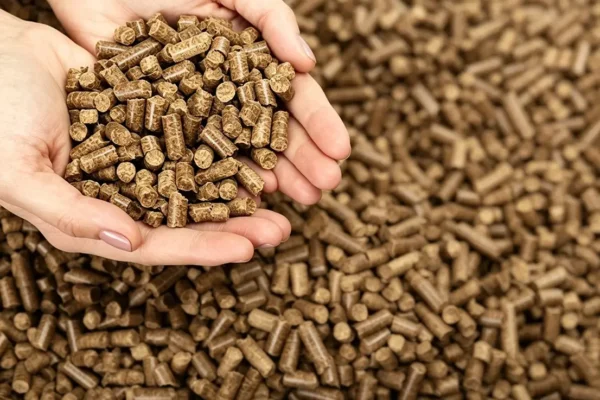
efb pellets on the hand

How Moisture Affects EFB Pelletizing Results

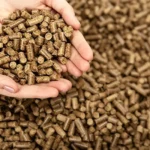
Moisture is one of the most important factors affecting the performance of an EFB pelletizing line. Empty fruit bunches, commonly known as EFB, are a major biomass residue generated during palm oil processing. Unlike some relatively dry biomass materials, freshly collected EFB can contain a considerable amount of moisture. This characteristic directly influences shredding, drying,…

Read Full News

When Does Small-Scale Grass Pellet Production Make Sense?

Not every biomass producer needs a large industrial factory. Farms, agricultural cooperatives, local biomass suppliers, and small energy businesses may have enough grass or miscanthus to justify pellet production without building a high-capacity plant. For these applications, a compact miscanthus pellet mill can provide a practical way to convert locally available biomass into a denser and…

Read Full News

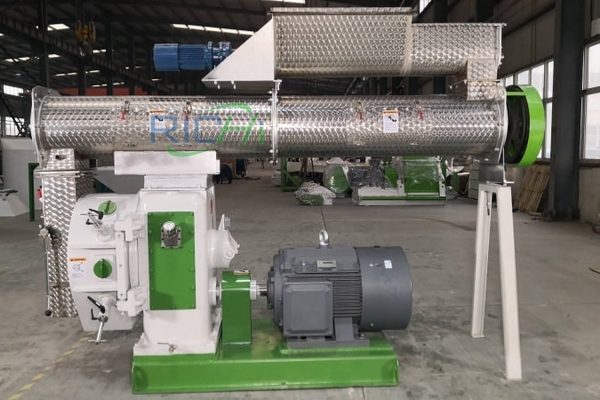
Wood Pellet Maker: Complete Solutions for Biomass Pellet Production

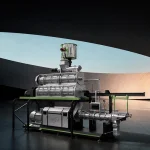
The global shift toward renewable energy has positioned the wood pellet maker as essential equipment for converting forestry waste into clean fuel pellets. Modern production facilities rely on these machines to process materials like sawdust, wood chips, and agricultural residues into high-density pellets for heating, power generation, and industrial applications. Understanding the biomass pellet machine price landscape helps producers…

Read Full News

Why Are More Businesses Looking at Wood Residues Differently?

Wood residues were once viewed primarily as a disposal challenge. Today, however, many sawmills, woodworking factories, forestry companies, and biomass businesses see them as a potential source of additional revenue. Wood chips, sawdust, shavings, and other clean wood residues can be converted into dense biomass pellets that are easier to store, transport, and use as…

Read Full News

What Should Investors Know Before Starting a Biomass Pellet Production Business?

The renewable energy industry is experiencing rapid growth as countries around the world focus on reducing carbon emissions and improving resource utilization. Biomass fuel, especially biomass pellets, has become an attractive solution because it transforms agricultural and forestry waste into valuable energy products. For entrepreneurs, farmers, and energy companies, starting a biomass pellet production business…

Read Full News

    * We understand that privacy is important to you, so we will only answer the questions you ask and will not disclose your information to third parties.