


The renewable energy industry is experiencing rapid growth as countries around the world focus on reducing carbon emissions and improving resource utilization. Biomass fuel, especially biomass pellets, has become an attractive solution because it transforms agricultural and forestry waste into valuable energy products.
For entrepreneurs, farmers, and energy companies, starting a biomass pellet production business can create new revenue opportunities. However, successful operation requires careful planning, suitable equipment selection, and a clear understanding of raw materials, production processes, and market demand.
Many new investors make the mistake of focusing only on equipment prices while ignoring production efficiency, maintenance costs, and future expansion possibilities. In reality, choosing the right pelletizing technology is one of the most important factors influencing the success of a biomass project.
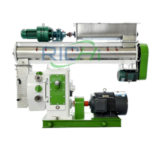
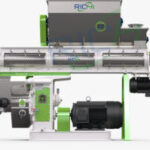
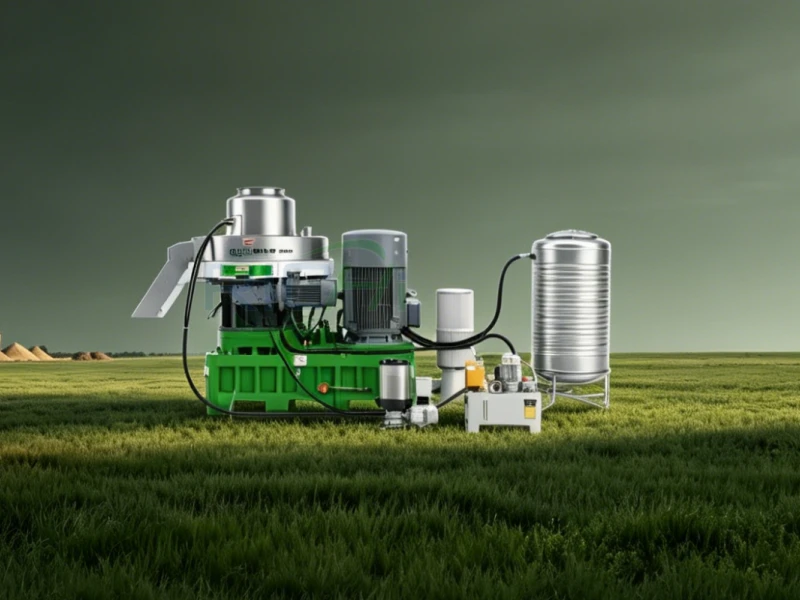
Among different pelletizing technologies available today, the vertical ring die pelletizer has gained increasing attention because of its efficient structure, stable operation, and strong adaptability to various biomass materials.
The Business Potential of Biomass Pellets
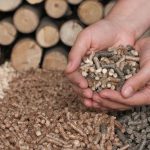
Biomass pellets are compressed fuel products manufactured from renewable organic materials. They are widely used in industrial boilers, heating systems, power generation plants, and commercial energy applications.
The popularity of biomass pellets comes from several advantages:
- High energy density;
- Easy transportation and storage;
- Lower environmental impact;
- Better combustion efficiency compared with loose biomass materials.
Many agricultural regions produce large amounts of residues every year, including:
- Wheat straw;
- Rice straw;
- Corn stalks;
- Sugarcane bagasse;
- Peanut shells;
- Sawdust;
- Wood chips.
Previously, many of these materials had limited economic value. Through pellet processing, waste resources can be converted into profitable products.
This development has encouraged more investors to explore biomass pellet manufacturing as a sustainable business opportunity.
Understanding the Role of Pelletizing Equipment
The pellet mill is the core machine in any biomass pellet production project. It determines production capacity, pellet quality, energy consumption, and overall operating efficiency.
During pelletizing, crushed biomass materials are compressed under high pressure. The natural lignin inside biomass acts as a binding agent, allowing materials to form dense cylindrical pellets.
However, different raw materials require different processing conditions. Straw materials, for example, usually need proper moisture adjustment and fine grinding before entering the pelletizing stage.
A high-performance machine should provide:
- Stable compression;
- Continuous operation;
- High pellet durability;
- Low maintenance requirements;
- Adaptability to different biomass materials.
This is why more commercial pellet producers are choosing advanced vertical structures.
Advantages of Vertical Pelletizing Technology
The design of vertical pellet equipment provides several benefits compared with traditional systems.
Improved Compression Stability
The vertical structure allows materials to move naturally into the compression chamber. This improves feeding consistency and reduces material accumulation.
Stable feeding helps maintain uniform pellet density and minimizes production interruptions.
Reduced Mechanical Stress
In a vertical design, gravity assists material movement, reducing unnecessary pressure on certain components. This can help improve equipment durability and reduce replacement frequency.
For businesses operating continuously, equipment reliability directly affects profitability.
Flexible Raw Material Application
Modern vertical pellet machines are suitable for many biomass materials, including:
- Agricultural straw;
- Grass;
- Forestry residues;
- Biomass waste.
This flexibility allows businesses to adjust production according to local resource availability.
Designing the Right Straw Pellet Production Line
Straw is one of the most promising raw materials for biomass pellet manufacturing. However, successful straw pellet production requires a complete processing system rather than only a pellet machine.
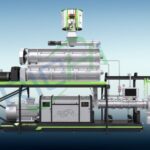
A professional 1-2 T/H straw pellet plant for sale generally includes:
Crushing System
Large straw materials must first be reduced into smaller particles. Proper particle size improves compression performance and pellet quality.
Drying System
Moisture content plays an important role in pellet formation. Excessive moisture can reduce pellet strength, while extremely dry materials may increase energy consumption.
Pelletizing System
The pellet mill compresses prepared biomass materials into finished pellets.
Cooling and Screening
Fresh pellets leave the machine at a high temperature. Cooling reduces moisture and improves hardness. Screening removes broken pellets and improves product quality.
Packaging and Storage
Proper packaging protects pellets from moisture and makes transportation easier.
A complete production process ensures stable output and better market competitiveness.
How to Choose Equipment Based on Production Goals
Every biomass project has different requirements. Selecting equipment according to actual production goals can prevent unnecessary investment.
Small-Scale Biomass Projects
Small farms or local businesses may start with lower production capacity. These projects usually focus on utilizing available agricultural waste and supplying nearby markets.
Medium Commercial Production
Companies targeting regional fuel markets often require continuous production with reliable capacity.
Large Industrial Projects
Large-scale pellet factories need highly automated systems with efficient material handling and strict quality control.
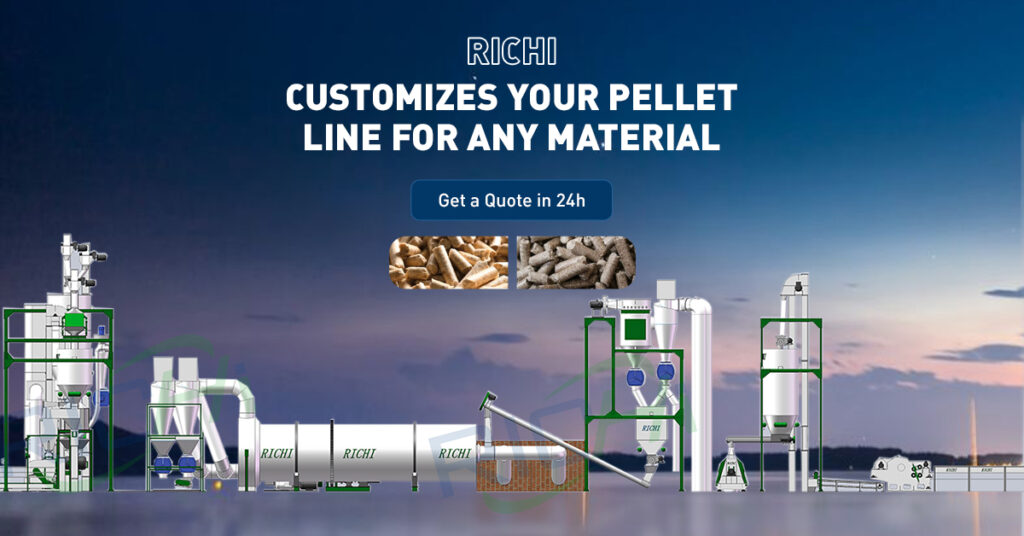
For investors planning different production scales, a complete straw pellet line solution can be customized according to raw material conditions, factory space, and expected output.
Common Challenges in Biomass Pellet Production
Although biomass pellet manufacturing has strong market potential, operators may face several challenges.
Raw Material Collection
Reliable raw material supply is essential. Seasonal agricultural waste availability requires proper storage planning.
Moisture Management
Incorrect moisture levels can affect pellet strength and production efficiency.
Equipment Maintenance
Regular maintenance is necessary to keep production stable. Wear parts such as dies and rollers should be inspected and replaced when required.
Market Development
Producing pellets is only one part of the business. Investors also need to identify suitable customers and establish stable sales channels.
The Importance of Professional Manufacturing Support
Choosing an experienced equipment supplier can significantly reduce project risks.
Professional manufacturers can provide:
- Equipment selection advice;
- Production line design;
- Installation support;
- Technical training;
- Spare parts supply.
Instead of purchasing individual machines from different suppliers, many investors prefer complete solutions from experienced companies.
A professional supplier such as Richi Machinery can help customers develop biomass pellet projects according to their specific requirements, from small production workshops to large industrial plants.
Future Trends in Biomass Pellet Manufacturing
The biomass industry continues to develop with several important trends.
Higher Automation Levels
Future pellet factories will increasingly use intelligent control systems to monitor production conditions and optimize efficiency.
More Efficient Energy Utilization
Manufacturers are focusing on reducing electricity consumption and improving overall energy efficiency.
Expansion of Biomass Applications
Besides fuel production, biomass pellets are also used for animal bedding, agricultural applications, and specialty markets.
Integration of Complete Solutions
Customers increasingly expect suppliers to provide complete project services instead of individual machines.
This trend creates opportunities for manufacturers capable of delivering engineering solutions.
Why Equipment Selection Determines Long-Term Success
Investing in biomass pellet production is a strategic decision. The equipment chosen today will influence production costs, product quality, and profitability for many years.
A suitable pellet machine should match:
- Raw material characteristics;
- Target production capacity;
- Local market requirements;
- Future business plans.
Selecting advanced equipment with professional technical support can help businesses achieve stable production and competitive advantages.
Those interested in understanding more about biomass processing technology can discover this info here and explore additional industry knowledge before making investment decisions.
Conclusion
Biomass pellet production offers an effective way to transform agricultural and forestry waste into valuable renewable energy products. However, success depends on more than simply purchasing equipment.
Investors need to consider raw materials, production planning, equipment performance, and market demand.
With advanced vertical pelletizing technology, customized production solutions, and professional support, biomass businesses can achieve efficient operation and sustainable growth.
(Related Post: https://www.richipelletmill.com/wood-pellet-plant-for-sale/)
As global demand for renewable energy continues to rise, modern biomass pellet production will remain an important industry opportunity for companies looking to create value from renewable resources.

