



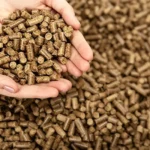


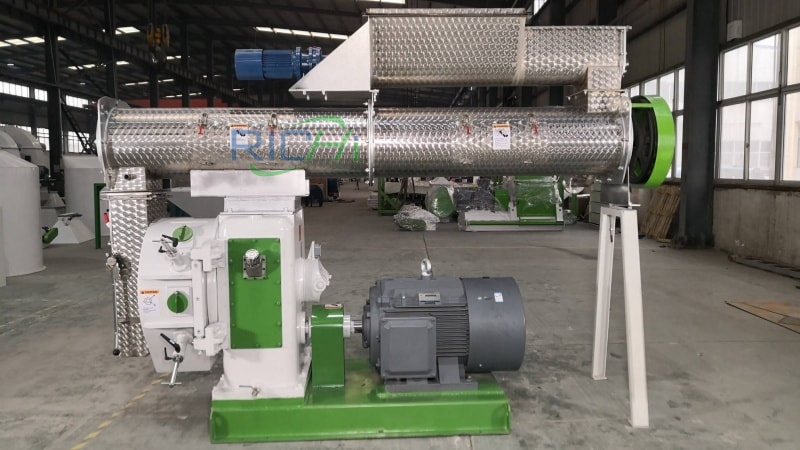
How to Make Cassava Pellets for Livestock Feed
Cassava can be used as an energy-rich ingredient in livestock feed when it is properly…
Cassava can be used as an energy-rich ingredient in livestock feed when it is properly…
Diversification is becoming increasingly important for manufacturers working with wood residues. A company may already…
Germany has a reputation for engineering that extends far beyond cars and machine tools. The…
When people begin researching manure fertilizer production, the first question is often about machinery capacity….


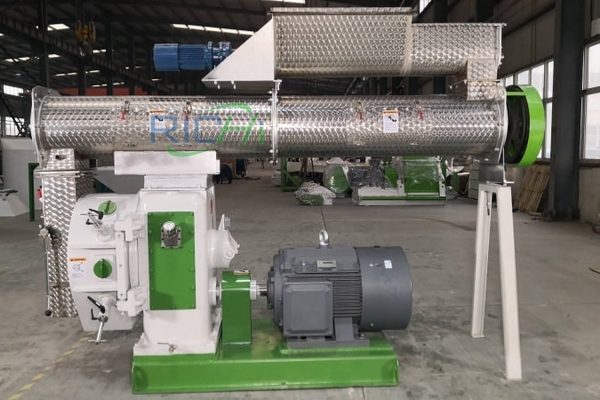
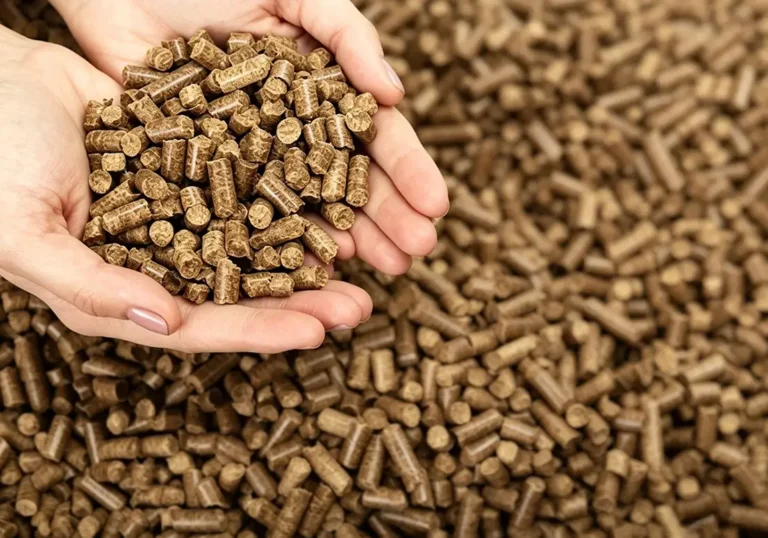
Cassava can be used as an energy-rich ingredient in livestock feed when it is properly processed and included in a balanced formula. Depending on the available material, farms may process cassava roots, dried chips, cassava meal, or suitable processing residues. The production process is relatively straightforward, but the raw material must be prepared correctly before…

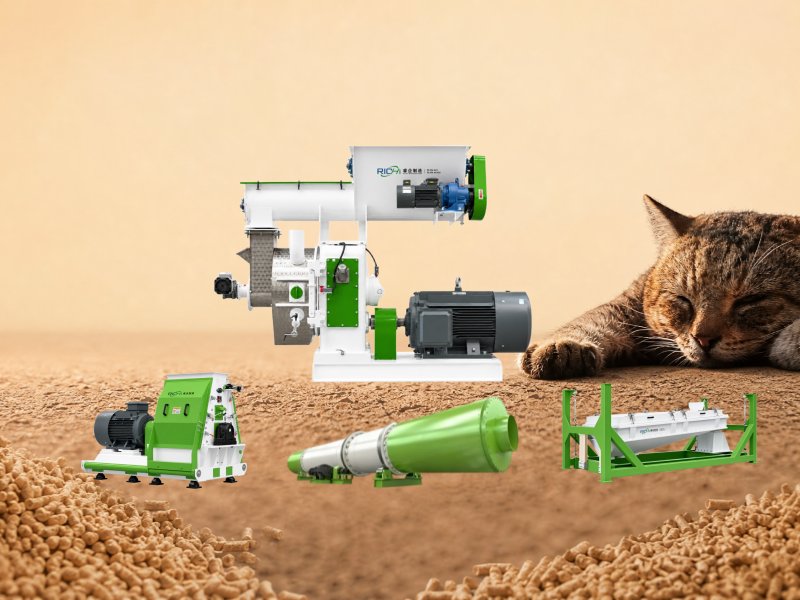
Diversification is becoming increasingly important for manufacturers working with wood residues. A company may already process sawdust or wood chips for one product but discover that the same raw-material supply can support other markets. Instead of relying on a single finished product, the factory can explore several applications that use similar preparation and forming technologies….
Germany has a reputation for engineering that extends far beyond cars and machine tools. The country’s approach to industrial production, built on precision, standardization, and long-term planning, has shaped how many manufacturing sectors operate. Material processing is no exception. Companies that want to understand efficient production often study German methods, not because they are perfect,…
When people begin researching manure fertilizer production, the first question is often about machinery capacity. “How many tons per hour can the machine produce?” That is useful, but it is not the best starting question. The more important issue is whether the planned production capacity matches raw-material availability, market demand, labor resources, drying requirements, working…
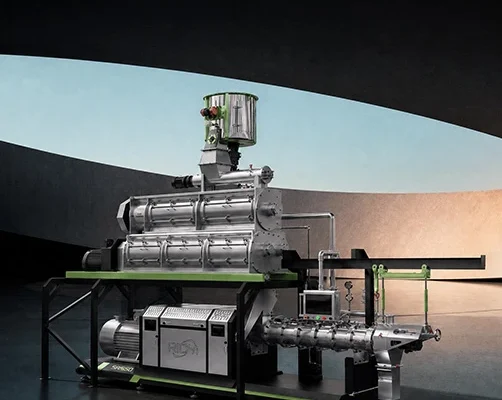
When planning a fish feed production project, one of the first questions people often ask is how much the extrusion equipment will cost. It sounds like a straightforward question, but there is no single figure that applies to every project. Fish feed extruders are available in different capacities and configurations. Some are designed for small…
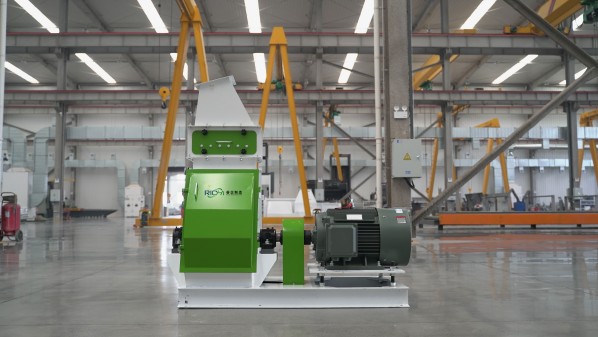
The wood crushing process is an important part of biomass processing, wood recycling, wood pellet production, briquette manufacturing, and other industries that use wood residues as raw materials. It converts large, irregular, or coarse wood materials into smaller and more uniform particles that are easier to dry, transport, mix, store, pelletize, or use as fuel….
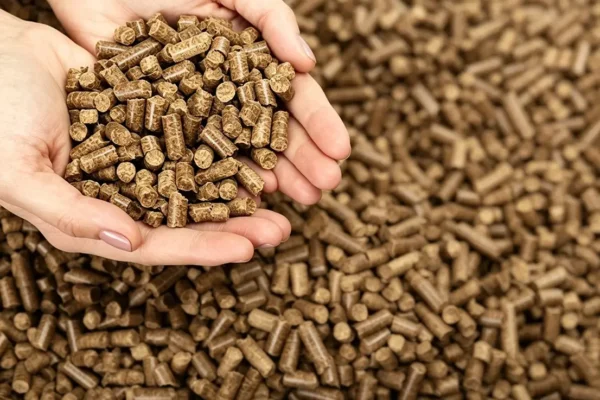
Moisture is one of the most important factors affecting the performance of an EFB pelletizing line. Empty fruit bunches, commonly known as EFB, are a major biomass residue generated during palm oil processing. Unlike some relatively dry biomass materials, freshly collected EFB can contain a considerable amount of moisture. This characteristic directly influences shredding, drying,…

Every poultry farmer knows the routine. You fill the feeders, the birds eat, and you hope the feed does its job. But how often do you stop to think about what that feed is actually doing? Or more importantly, what it could be doing if it were made differently? The truth is that feed is…

Not every biomass producer needs a large industrial factory. Farms, agricultural cooperatives, local biomass suppliers, and small energy businesses may have enough grass or miscanthus to justify pellet production without building a high-capacity plant. For these applications, a compact miscanthus pellet mill can provide a practical way to convert locally available biomass into a denser and…

The combine harvesters have finished their work. The grain is safely stored. And across the field, stretching to the horizon, lies the straw—millions of tons of it, left behind after every wheat, barley, oat, and rice harvest. For generations, this straw has been treated as a nuisance. Some of it gets baled for animal bedding….