

The Hidden Problems with Traditional Feed
For many years, mash feed has been the default choice for livestock farmers. It is simple to produce and requires minimal equipment. However, as farming becomes more competitive, the limitations of mash feed are becoming increasingly obvious.
Animals tend to sort ingredients when eating mash feed. This leads to unbalanced nutrition intake, slower growth, and higher feed waste. In addition, mash feed is more difficult to store and transport, often resulting in spoilage and economic losses.
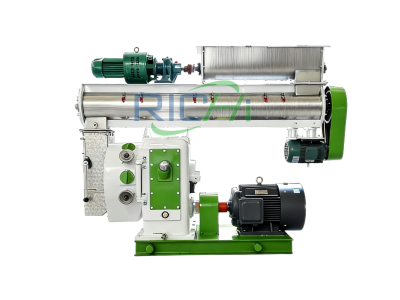
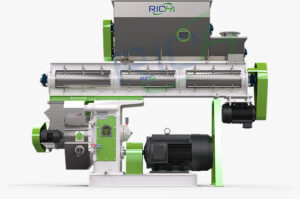
This is exactly why more producers are turning to a livestock feed pellet machine. Instead of relying on outdated feeding methods, farmers are upgrading to pellet-based systems that deliver consistent results.
What Makes Pellet Feed Different
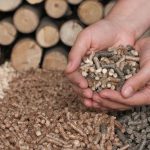
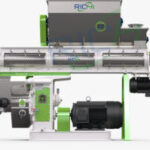
A livestock feed pellet machine transforms loose powder into compact pellets. This simple change creates several major improvements in feeding efficiency.
First, pellets prevent animals from selecting specific ingredients. Every bite contains the same balanced nutrition. Second, pellet feed reduces dust, which improves the feeding environment and animal health. Third, pellets are easier to handle, transport, and store.
When comparing mash feed and pellet feed, the advantages of a livestock feed pellet machine become very clear. Farmers who switch often report reduced feed consumption and faster weight gain.
Real Farm Scenario: Before and After Using a Livestock Feed Pellet Machine
Consider a medium-sized cattle farm that previously relied on mash feed. The farm faced several issues:
- High feed waste
- Uneven animal growth
- Frequent feed spoilage
After installing a livestock feed pellet machine, the situation changed dramatically. Feed became more stable, animals consumed it more efficiently, and growth rates improved.
To further optimize production, the farm introduced a Cattle Feed Pellet Machine along with an Animal Feed Pellet Mill, allowing them to produce customized feed for different growth stages.
Within months, the farm reported better feed conversion and increased profitability.
Why More Farmers Are Making the Switch
The shift toward pellet feed is not just a trend—it is a response to real challenges in livestock production. A livestock feed pellet machine provides solutions to multiple problems at once:
- Reduces feed waste
- Improves nutrient absorption
- Enhances farm management
- Increases overall efficiency
In a competitive market, these advantages can make a significant difference.
Choosing the Right Equipment
Not all pellet machines deliver the same results. Performance depends on design, materials, and manufacturing quality.
Many farmers choose Richi Machinery because of its reliable equipment and industry experience. Their machines are designed to handle different feed formulations and production scales.
If you are considering upgrading your feeding system, you can go to website to explore detailed machine options and real project cases.
Conclusion
The move from mash feed to pellet feed is becoming essential in modern livestock farming. A livestock feed pellet machine offers a practical way to improve efficiency, reduce waste, and increase profits.
Farmers who adopt this technology early will have a clear advantage in the evolving agricultural landscape.