



Cassava is one of the world’s most important starch-rich crops. It is cultivated extensively across Africa, Southeast Asia, and Latin America, where it serves as both a food source and an industrial raw material. However, fresh cassava presents several challenges. Its high moisture content limits storage life, transportation costs can be significant, and raw cassava contains naturally occurring compounds that require proper processing before use in animal feed.
As global demand for efficient feed ingredients continues to rise, pelletized cassava products have emerged as an attractive solution. By converting cassava roots, cassava chips, cassava flour, or cassava residues into pellets, producers can significantly improve product stability, handling efficiency, and market value.
This is where a modern cassava pellet machine becomes an essential investment for agricultural processors seeking greater profitability and sustainability.
Why Is Pelletizing Cassava Becoming Increasingly Popular?
The traditional sale of raw cassava often exposes producers to fluctuating market prices and high post-harvest losses. Fresh cassava deteriorates quickly after harvesting, making rapid processing essential.
Pelletization addresses many of these issues simultaneously.
When cassava is compressed into pellets, bulk density increases dramatically. This allows producers to store more material within the same warehouse space and transport larger quantities per shipment. Pellets also generate less dust and experience fewer handling losses than loose powder products.
More importantly, pelletizing creates a standardized product that can be sold to livestock farms, feed mills, biomass users, and export markets.
Many agricultural enterprises are therefore installing a cassava pellet machine as part of a broader value-added processing strategy.
Understanding the Pellet Production Process
Although production systems vary depending on raw materials and desired output specifications, most cassava pellet facilities follow a similar workflow.
Raw Material Preparation
Processors may utilize:
- Fresh cassava roots
- Cassava chips
- Cassava flour
- Cassava peels
- Cassava residue
- Tapioca processing by-products
The selected material is first cleaned to remove contaminants and foreign objects.
Size Reduction
Uniform particle size is critical for consistent pellet quality.
Grinding equipment reduces larger cassava pieces into suitable particle sizes that promote efficient compression during pellet formation.
Moisture Conditioning
Moisture content directly influences pellet durability.
Operators often adjust moisture levels and add steam before pelletization. Proper conditioning improves starch gelatinization and strengthens pellet structure.
Pellet Formation
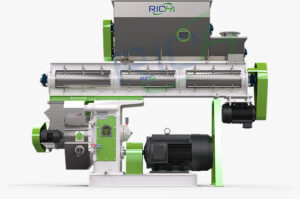
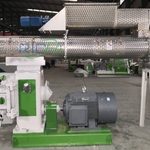
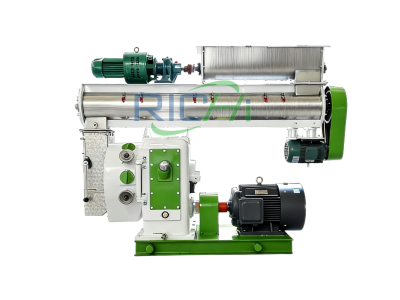
Inside the cassava pellet making machine, rollers force material through die holes under high pressure.
The combination of pressure, friction, and heat transforms loose cassava particles into dense cylindrical pellets with excellent physical stability.
Cooling and Packaging
Fresh pellets leave the machine at elevated temperatures.
Cooling systems reduce temperature and moisture levels before packaging, storage, or shipment.
Economic Benefits for Feed Manufacturers
Feed producers continuously search for ingredients that provide energy, consistency, and cost efficiency.
Cassava pellets satisfy these requirements remarkably well.
Compared with loose cassava meal, pellets offer:
- Improved flowability
- Reduced dust generation
- Better storage performance
- Easier automated feeding
- Lower transportation costs
These advantages explain why many commercial feed plants integrate a cassava pellet mill into their processing operations.
In regions where corn prices remain volatile, cassava pellets may also provide a competitive alternative energy source within feed formulations.
The Role of Starch Gelatinization
One frequently overlooked advantage of pelletizing involves starch transformation.
During conditioning and compression, starch granules absorb moisture and heat. This process partially gelatinizes starch, making nutrients more accessible to animals.
Improved digestibility often translates into better feed conversion ratios and enhanced livestock performance.
As a result, many nutrition specialists favor pelletized ingredients over untreated materials.
Applications Beyond Animal Feed
While livestock feed remains the primary market, cassava pellets have found applications in numerous industries.
Aquaculture
Fish and shrimp feed manufacturers frequently incorporate cassava-derived ingredients as energy sources.
Pet Products
With proper formulation adjustments, production lines can manufacture absorbent cat litter pellets.
Organic Fertilizer
Cassava processing residues can be blended with organic materials and pelletized for agricultural fertilizer applications.
Biomass Fuel
Certain cassava by-products may serve as biomass fuel feedstock, particularly when mixed with agricultural residues.
The flexibility of a modern cassava pellet press enables producers to diversify revenue streams and respond to changing market demands.
Choosing the Right Production Capacity
Every project begins with understanding production goals.
Small farms may require only a few tons per day, while commercial facilities often target much higher output.
Several factors influence equipment selection:
- Available raw material volume
- Desired pellet diameter
- Annual operating hours
- Target markets
- Investment budget
For example, some agricultural cooperatives expand their operations by combining cassava processing with equipment such as a commercial hay pellet machine for sale, creating multi-product production capabilities throughout the year.
This approach maximizes equipment utilization and improves return on investment.
Reducing Waste Through Circular Agriculture
Agricultural sustainability has become a major concern worldwide.
Large volumes of cassava residues are often discarded despite containing valuable nutrients and organic matter.
Pelletization supports circular agriculture by converting these by-products into marketable products rather than waste.
The environmental benefits include:
- Reduced landfill disposal
- Lower greenhouse gas emissions
- Improved resource utilization
- Enhanced farm profitability
Many development organizations now encourage rural processing projects that include a cassava pelletizer as part of integrated agricultural value chains.
What Features Should Buyers Evaluate?
Purchasing pellet equipment involves more than comparing prices.
Important considerations include:
Die Quality
High-quality dies improve pellet consistency and extend service life.
Roller Design
Optimized roller systems enhance compression efficiency and reduce maintenance requirements.
Automation Level
Automated systems improve production stability while lowering labor costs.
Energy Consumption
Efficient equipment reduces operating expenses over the long term.
After-Sales Support
Reliable technical support remains critical for maintaining production continuity.
Companies searching for dependable equipment often evaluate suppliers with proven industry experience, such as Richi manufacture, before making final purchasing decisions.
Integrating Pellet Production With Existing Facilities
One significant advantage of pelletization technology is its compatibility with existing processing infrastructure.
Many facilities already possess:
- Grinding systems
- Storage silos
- Mixing equipment
- Packaging lines
Adding a pellet production section often requires only limited modifications.
This makes pelletization a relatively accessible upgrade for agricultural enterprises seeking additional profit opportunities.
Businesses interested in expansion frequently compare complementary technologies, including a high capacity corn stalk pellet machine, to evaluate broader biomass processing possibilities.
Export Market Opportunities
Global demand for pelletized agricultural products continues to grow.
Export buyers often prefer pellets because they are:
- Easier to transport
- Less susceptible to spoilage
- More uniform in quality
- Better suited for bulk handling
For countries with strong cassava production sectors, pellet exports can represent a significant economic opportunity.
Producers who achieve consistent quality standards may access premium international markets and long-term supply contracts.
Common Challenges and Solutions
Inconsistent Pellet Quality
Cause:
Variable moisture content.
Solution:
Implement precise moisture control procedures.
Excessive Fines
Cause:
Improper die specifications.
Solution:
Optimize die compression ratio.
High Energy Consumption
Cause:
Poor raw material preparation.
Solution:
Improve grinding uniformity before pelletizing.
Equipment Wear
Cause:
Contaminants in raw materials.
Solution:
Enhance cleaning and screening procedures.
Manufacturers often provide detailed technical explanation documents that help operators optimize production performance.
Future Trends in Cassava Processing
Several emerging trends are shaping the future of the industry.
Smart Manufacturing
Sensors and automation systems improve operational efficiency and product consistency.
Sustainable Production
Energy-efficient designs reduce environmental impact.
Diversified Product Portfolios
Facilities increasingly produce feed pellets, fertilizer pellets, and specialty agricultural products from a single production platform.
Integrated Biomass Solutions
Some investors combine cassava processing with biomass pellet projects utilizing equipment such as a wood chip pellet machine for sale, allowing year-round production flexibility.
Industry observers following these developments can find additional insights through blog here resources covering advancements in agricultural processing technologies.
Conclusion
Cassava remains one of the most valuable agricultural resources available to developing and developed economies alike. Yet its true potential is often realized only after effective processing.
Pelletization transforms raw cassava into a durable, transportable, and commercially attractive product suitable for livestock feed, aquaculture, fertilizer production, and other industrial applications.
Whether processing fresh roots, cassava flour, or production residues, a modern cassava pellet machine enables businesses to increase product value, reduce waste, improve logistics, and access broader markets.
As agricultural industries continue emphasizing sustainability and efficiency, investments in pellet technology are likely to become an increasingly important component of profitable rural development strategies.
Related Post: https://pelletizerequipment.com/animal-feed-pellet-mill-for-sale/