


The biomass energy sector is one of the fastest-growing industries in the global renewable energy landscape. For businesses ready to enter this space, two foundational questions arise: what is a realistic wood pellet machine price, and how should you approach investing in a biomass pellet plant? This article answers both in depth, offering practical guidance for buyers at every investment scale.
The Biomass Opportunity: Why Now Is the Right Time to Invest
Biomass-derived energy now accounts for a significant share of renewable energy consumption in Europe, North America, and parts of Asia. Regulatory incentives, carbon credit markets, and coal-to-biomass fuel switching policies have created a sustained and growing demand for high-quality wood pellets. This demand, combined with abundant forestry waste feedstock in many regions, creates ideal conditions for new pellet plant investments.
A biomass pellet plant converts this low-cost raw material into a standardized, high-value fuel product that can be sold locally or exported to international markets. The value chain between raw biomass and finished pellets typically delivers attractive gross margins when the right equipment and processes are in place.
Wood Pellet Machine Price: What Are You Really Paying For?
The wood pellet machine price reflects a complex set of engineering decisions baked into each unit. Buyers often compare prices across suppliers without understanding why significant differences exist. Here is what drives pricing:
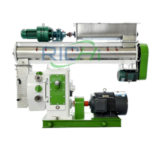
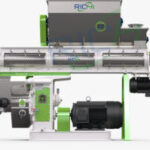
Mechanical design complexity: Ring-die pellet mills designed for industrial throughput involve precision-machined components, high-strength alloy dies, and heavy-duty bearing assemblies. The engineering precision required to achieve consistent pellet quality at scale justifies premium pricing.
Power and output specifications: A machine rated for 2 tons per hour will cost significantly less than one rated for 8 tons per hour. As output capacity scales up, so does the motor size, die diameter, and structural reinforcement required.
Control technology: Modern pellet mills increasingly feature automated control systems that optimize die temperature, feed rate, and roller pressure in real time. These systems reduce material waste and improve pellet consistency but add to the wood pellet machine price.
Certifications and compliance: Machines built to CE, ISO, or regional safety standards require additional engineering investment to meet testing and documentation requirements.
For transparent pricing guides and configuration comparisons, see post content published by equipment specialists to benchmark costs before approaching suppliers.
Biomass Pellet Plant Configuration Options
A biomass pellet plant can be configured in multiple ways depending on your feedstock, production targets, and budget. The most common configurations include:
Mobile or containerized plants: Compact, pre-assembled units that can be deployed quickly with minimal civil construction. Ideal for pilot projects or operations in remote areas with limited infrastructure.
Modular fixed plants: Semi-permanent installations that can be expanded in phases as production demand grows. Balances upfront affordability with future scalability.
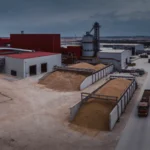
Full-scale integrated plants: Large industrial facilities with complete raw material handling, drying, pelletizing, and logistics infrastructure. Designed for continuous, high-volume production and export markets.
Each configuration carries different capital requirements, lead times, and operational profiles. Matching the right configuration to your business model is essential for maximizing return on investment.
Richi Manufacture: A Global Leader in Pellet Plant Engineering
Among the many suppliers in the biomass pellet equipment market, Richi manufacture stands apart for its combination of technical expertise, global project experience, and customer support infrastructure. Their engineering team works directly with clients to design plants that optimize every stage of the production process—from raw material intake to final pellet packaging.
Richi manufacture has delivered complete biomass pellet plant solutions to clients in over 100 countries, serving feedstocks including wood chips, sawdust, rice husk, straw, and mixed biomass. Their machines are known for high efficiency, extended die service life, and consistent pellet quality that meets international certification standards.
Beyond the initial sale, Richi manufacture provides on-site commissioning support, operator training programs, and long-term spare parts supply—ensuring your plant remains productive and profitable throughout its operational lifecycle.
Calculating Your Investment Return
Before committing to a wood pellet machine price and plant configuration, conduct a thorough investment analysis. Key inputs include:
- Market pellet price: Current and projected prices in your target market
- Production cost per ton: Energy, labor, raw material, and maintenance costs
- Annual production volume: Based on plant capacity and expected uptime
- Capital expenditure: Equipment, civil construction, and installation costs
- Payback period: Time required to recover total investment from net operating income
Most well-planned pellet plants at medium to large scale achieve payback periods of 2–5 years, depending on feedstock costs and market pricing. Consulting resources where you can see post for real project financial case studies adds valuable real-world data to your own projections.
Conclusion
Determining the right wood pellet machine price and designing an efficient biomass pellet plant requires careful research, quality supplier partnerships, and access to reliable industry data. With Richi manufacture as your technology partner and credible sources where you can see post for real-world benchmarks, you have the tools to build a biomass pellet business that is profitable, scalable, and positioned for long-term success in the global renewable energy market.

