



As the world continues to search for cleaner and more sustainable energy solutions, biomass pellets have emerged as one of the most practical renewable fuel options available today. Governments, industries, and consumers are increasingly looking for alternatives to fossil fuels that can reduce carbon emissions, improve energy security, and support environmental sustainability. Biomass pellets meet these requirements while offering economic and operational advantages that make them an attractive fuel source for a wide range of applications.
Produced from renewable organic materials such as wood waste, agricultural residues, forestry by-products, and energy crops, biomass pellets have become an important component of the global renewable energy industry. They are widely used for residential heating, industrial boilers, biomass power generation, and combined heat and power systems.
This article explores why biomass pellets are considered a smart renewable fuel choice and examines the environmental, economic, and technological factors driving their growing popularity worldwide.
What Are Biomass Pellets?
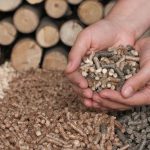
Biomass pellets are small cylindrical fuel products manufactured by compressing organic materials under high pressure. The pelletization process transforms loose biomass into dense, uniform fuel with improved handling and combustion characteristics.
Common raw materials used in biomass pellet production include:
- Sawdust
- Wood chips
- Wood shavings
- Forestry residues
- Rice husks
- Wheat straw
- Corn stalks
- Sugarcane bagasse
- Palm fiber
- Coconut shells
The resulting pellets typically contain low moisture levels and high energy density, making them an efficient fuel source for various energy applications.
The Growing Demand for Renewable Energy
The global energy landscape is undergoing significant transformation.
Several factors are driving the shift toward renewable energy:
Climate Change Concerns
Governments worldwide are implementing policies aimed at reducing greenhouse gas emissions.
Rising Fossil Fuel Costs
Energy price volatility encourages the search for alternative fuel sources.
Energy Security
Countries seek to reduce dependence on imported fossil fuels.
Environmental Regulations
Stricter emissions standards encourage cleaner energy solutions.
Biomass pellets address these challenges by providing a renewable, sustainable, and relatively low-carbon fuel option.
Biomass Pellets Are Made from Renewable Resources
One of the biggest advantages of biomass pellets is that they are produced from renewable materials.
Unlike fossil fuels, which require millions of years to form, biomass feedstocks can be replenished continuously through:
- Forestry operations
- Agricultural production
- Wood processing industries
- Sustainable energy crop cultivation
As long as these resources are managed responsibly, biomass pellets can provide a long-term and sustainable energy solution.(click to read)
Effective Utilization of Waste Materials
Every year, enormous quantities of organic waste are generated around the world.
Examples include:
- Sawdust from sawmills
- Wood processing residues
- Agricultural crop waste
- Forestry by-products
Without proper utilization, these materials may be burned, discarded, or left to decompose.
Biomass pellet production transforms these low-value materials into useful energy products.
This process supports circular economy principles by:
- Reducing waste
- Maximizing resource efficiency
- Creating additional economic value
The ability to convert waste into fuel is one of the key reasons biomass pellets are considered a smart renewable energy choice.
Lower Carbon Emissions
Reducing carbon emissions is one of the primary goals of renewable energy development.
Biomass pellets contribute to this objective because they participate in a relatively short carbon cycle.
During growth, plants absorb carbon dioxide from the atmosphere through photosynthesis.
When biomass pellets are burned, they release carbon that was recently captured rather than carbon stored underground for millions of years.
Compared with many fossil fuels, biomass pellets can significantly reduce net greenhouse gas emissions when sourced and managed sustainably.
Reduced Air Pollutant Emissions
Modern biomass combustion systems are designed to burn pellets efficiently and cleanly.
Compared with traditional coal-fired systems, biomass pellets often produce:
- Lower sulfur emissions
- Reduced particulate matter
- Lower heavy metal emissions
- Less environmental pollution
These benefits improve air quality and help facilities comply with increasingly strict environmental regulations.
High Energy Density
Raw biomass materials often have low bulk density, making transportation and storage inefficient.
The pelletization process greatly increases energy density.
Advantages include:
Easier Transportation
More energy can be transported per shipment.
Lower Logistics Costs
Reduced transportation expenses improve economic efficiency.
Improved Storage
Pellets require less storage space than loose biomass.
Consistent Fuel Characteristics
Uniform pellet size improves handling and combustion.
The high energy density of biomass pellets makes them practical for both domestic and international markets.
Excellent Combustion Performance
Biomass pellets offer superior combustion characteristics compared with many untreated biomass materials.
Key benefits include:
Uniform Size
Consistent dimensions promote stable combustion.
Low Moisture Content
Most pellets contain less than 10% moisture.
High Combustion Efficiency
More energy is converted into usable heat.
Reduced Ash Production
High-quality pellets produce less residue after combustion.
These characteristics improve fuel efficiency and reduce maintenance requirements.
Wide Range of Applications
Biomass pellets are highly versatile fuels.
They can be used in:
Residential Heating
Pellet stoves and boilers provide efficient home heating.
Industrial Boilers
Factories use biomass pellets to generate process heat.
Commercial Buildings
Schools, hospitals, and office buildings utilize biomass heating systems.
Power Generation
Biomass power plants use pellets to produce electricity.
Combined Heat and Power Systems
Pellets support efficient energy generation for multiple applications.
This flexibility contributes significantly to their growing popularity.
Supporting Energy Security
Many countries rely heavily on imported fossil fuels.
Biomass pellets offer an opportunity to diversify energy supplies through the use of domestic resources.
Benefits include:
- Reduced fuel import dependence
- Greater energy independence
- Improved supply reliability
- Enhanced national energy security
Developing local biomass industries strengthens economies while reducing exposure to global fuel market fluctuations.
Economic Benefits for Rural Communities
Biomass pellet production creates economic opportunities throughout the supply chain.
Employment opportunities include:
- Biomass collection
- Transportation
- Processing
- Equipment maintenance
- Manufacturing
- Distribution
Farmers and forestry operators can also generate additional income by selling residues that were previously considered waste.
As a result, biomass pellet production contributes to rural economic development and job creation.
Government Support for Biomass Energy
Many governments actively support biomass energy development through various incentives.
Examples include:
Renewable Energy Subsidies
Financial assistance encourages investment in renewable energy projects.
Tax Incentives
Reduced tax burdens improve project economics.
Carbon Reduction Programs
Policies promote the replacement of fossil fuels with renewable alternatives.
Renewable Energy Targets
Governments establish goals that increase biomass fuel demand.
Such support continues to drive growth within the biomass pellet industry.
Technological Advances Improve Efficiency
Technological innovation has significantly enhanced biomass pellet production over the past decade.
Modern pellet plants feature:
- Automated control systems
- Energy-efficient motors
- Advanced drying technologies
- Improved pellet mills
- Real-time monitoring systems
These improvements increase productivity while reducing operating costs.
As technology continues to advance, biomass pellets become even more competitive with traditional fuels.
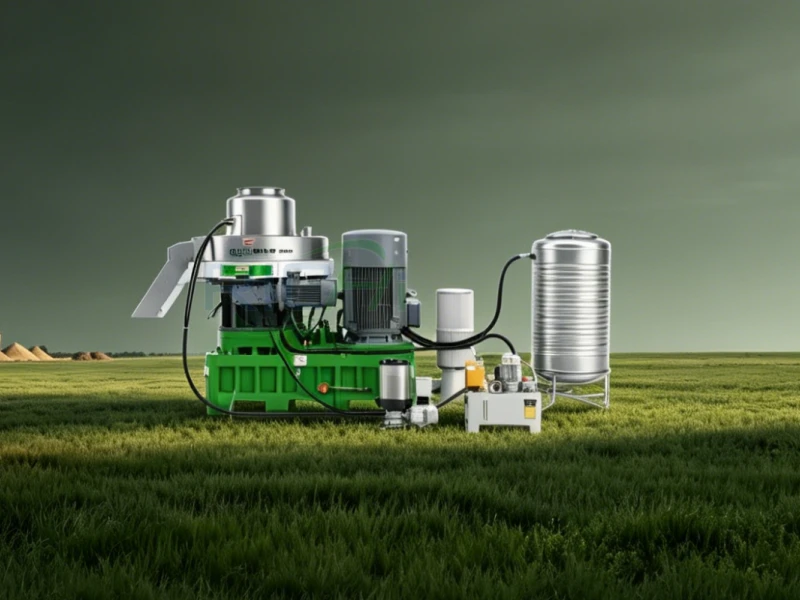
Understanding Wood Pellet Plant Cost
For investors considering entry into the biomass energy industry, understanding wood pellet plant cost is an important part of project planning.
https://richipelletizer.com/wood-pellet-production-line-price
The total wood pellet plant cost depends on several factors:
Production Capacity
Larger facilities generally require higher investment but may achieve lower production costs per ton.
Equipment Configuration
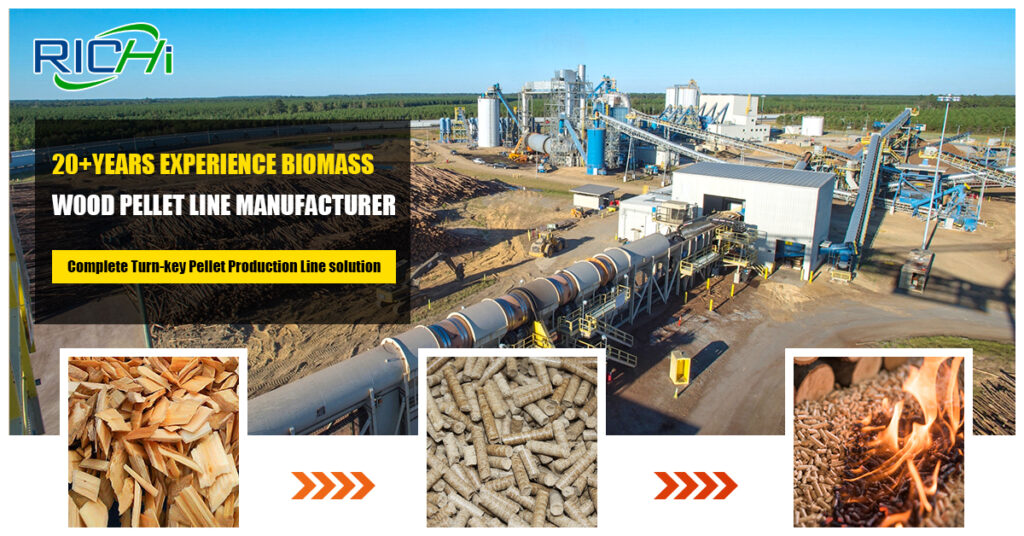
A complete pellet production line includes:
- Chippers
- Hammer mills
- Dryers
- Pellet mills
- Coolers
- Packaging systems
Automation Level
Advanced automation can improve efficiency but increases initial investment.
Infrastructure Requirements
Buildings, utilities, and storage facilities contribute to project costs.
While minimizing wood pellet plant cost is important, investors should also consider equipment quality, operational efficiency, and long-term profitability when evaluating project economics.
Biomass Pellets Support Sustainable Development
Sustainability has become a key objective for governments and businesses worldwide.
Biomass pellets contribute to sustainable development by:
- Utilizing renewable resources
- Reducing waste
- Lowering emissions
- Supporting rural economies
- Promoting energy diversification
These benefits align with global environmental and economic goals.
Challenges Facing Biomass Pellet Development
Despite their many advantages, biomass pellets face certain challenges.
Feedstock Availability
Reliable raw material supplies are essential.
Transportation Costs
Long-distance biomass transportation can increase expenses.
Sustainability Certification
Markets increasingly require proof of responsible sourcing.
Competition from Other Renewables
Biomass competes with solar, wind, and other renewable technologies.
Continued innovation and responsible resource management are necessary to address these challenges.
Future Outlook for Biomass Pellets
The future of biomass pellets remains highly promising.
Several factors support continued market growth:
- Global decarbonization efforts
- Industrial carbon reduction initiatives
- Expansion of biomass power generation
- Increased renewable energy investment
- Technological improvements
As countries work toward achieving net-zero emissions goals, biomass pellets are expected to remain an important component of the renewable energy mix.
Conclusion
Biomass pellets have earned their reputation as a smart renewable fuel choice because they combine environmental sustainability, economic value, and practical energy performance. By converting agricultural and forestry residues into high-density fuel, biomass pellets reduce waste, lower greenhouse gas emissions, support energy security, and create new economic opportunities.
Their versatility, high combustion efficiency, and compatibility with existing heating and power generation systems make them one of the most attractive renewable fuels available today. For investors evaluating biomass energy opportunities, understanding factors such as wood pellet plant cost, raw material availability, and market demand is essential for long-term success.
As the world continues its transition toward cleaner energy systems, biomass pellets will play an increasingly important role in supporting sustainable development and helping societies achieve their renewable energy goals.