

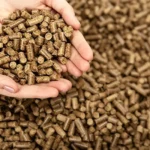


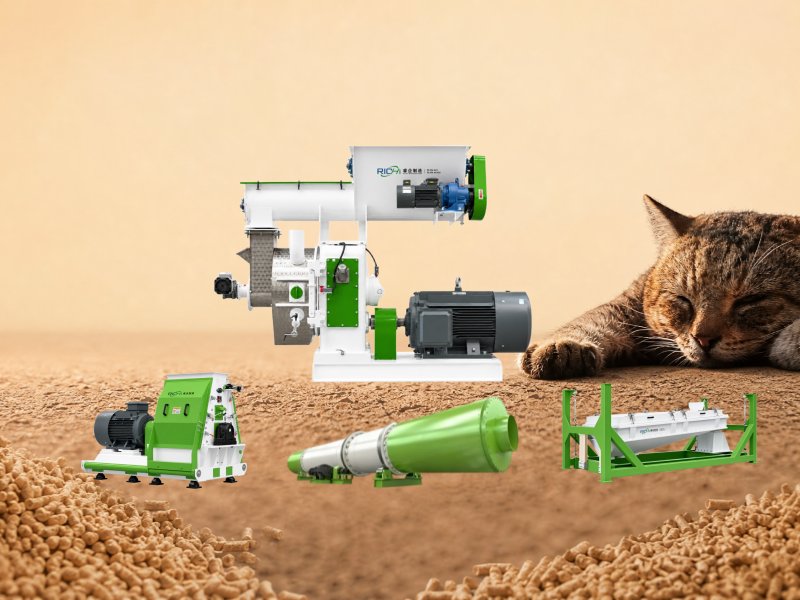
Diversification is becoming increasingly important for manufacturers working with wood residues.
A company may already process sawdust or wood chips for one product but discover that the same raw-material supply can support other markets. Instead of relying on a single finished product, the factory can explore several applications that use similar preparation and forming technologies.
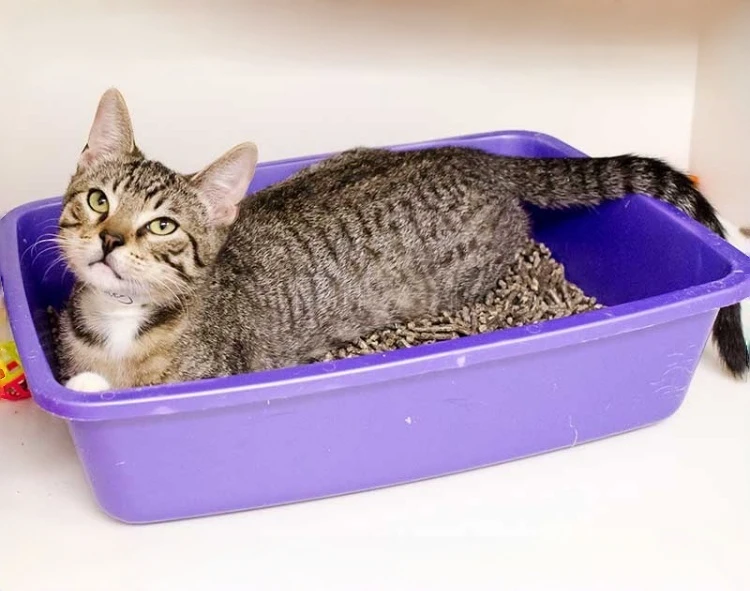
One interesting strategy is to combine cat litter production with animal bedding products.
Although the end uses are different, both products can rely on processed wood fiber, controlled particle size, drying, forming, screening, and packaging.
The challenge is designing a production system that supports both applications without compromising product quality.
Why the Two Markets Are Connected
Both cat litter and animal bedding use absorbent plant-based materials.
Wood fibers can help manage moisture and provide a comfortable, relatively lightweight material for different animal-care applications.
However, the performance requirements are not identical.
Cat litter is used in consumer households and is often sold in branded retail packaging.
Animal bedding may be supplied to farms, equestrian facilities, poultry operations, or animal shelters, where bulk handling can be more important.
The factory must therefore be flexible enough to produce different product specifications.
Shared Raw-Material Infrastructure
One advantage of a multi-product factory is shared raw-material handling.
The same storage area may receive suitable sawdust or wood-processing residues.
The same screening equipment may prepare material for different applications.
A common drying stage can serve both product categories.
The key is to create controlled material separation where product specifications require it.
A shared infrastructure can reduce duplicated investment and make better use of available factory space.
Why Separate Product Specifications Matter
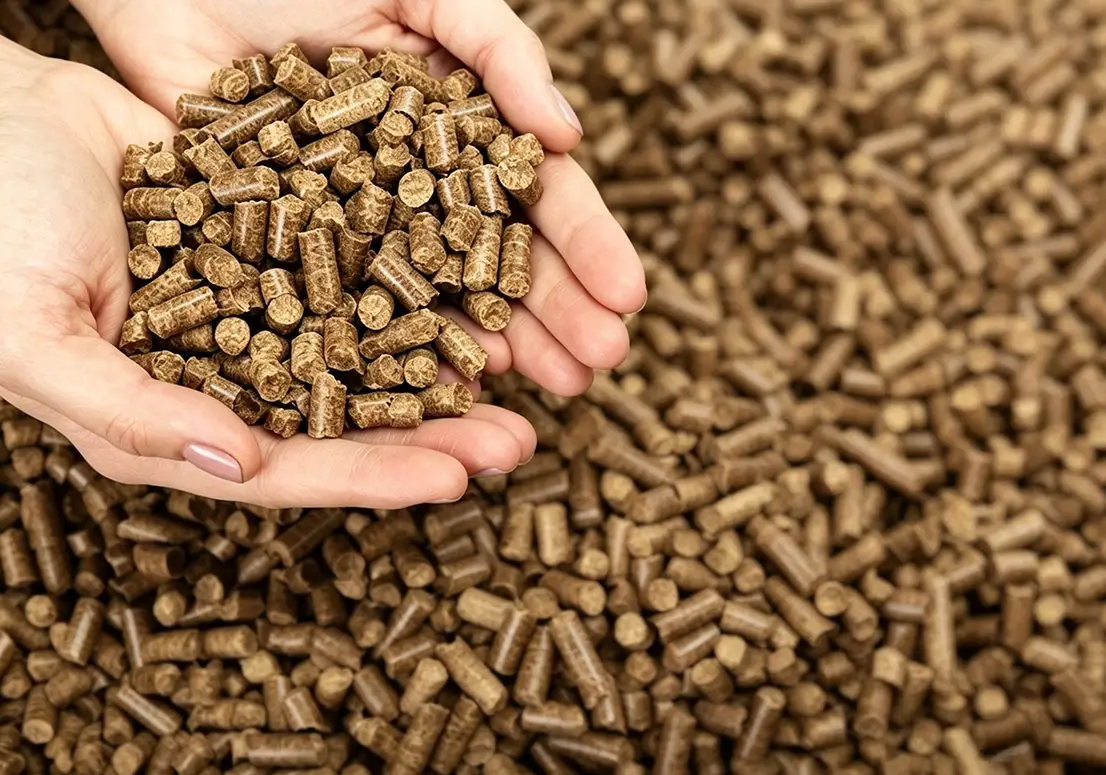
It is a mistake to assume that all wood pellets for animal applications should have the same size and density.
Cat litter may require a particular pellet dimension and surface structure.
Animal bedding may prioritize absorbency, softness, low dust, and ease of spreading.
A production line must therefore allow different operating recipes.
This may involve separate raw-material storage, different screen settings, alternative packaging formats, or recipe-specific production conditions.
Flexibility becomes a major design criterion.
Designing a Multi-Product Production Flow
A practical factory can be divided into common and product-specific sections.
The common section may include raw-material receiving, storage, initial screening, size reduction, and drying.
After conditioning, material can be routed toward different forming or packaging stages.
For example, one production branch can serve pet litter while another produces bedding products.
This reduces the need to duplicate every piece of upstream infrastructure.
However, material routing must be controlled carefully to prevent cross-contamination between product streams.
Where Equipment Flexibility Becomes Important
When a factory produces multiple products, the forming stage must support different specifications.
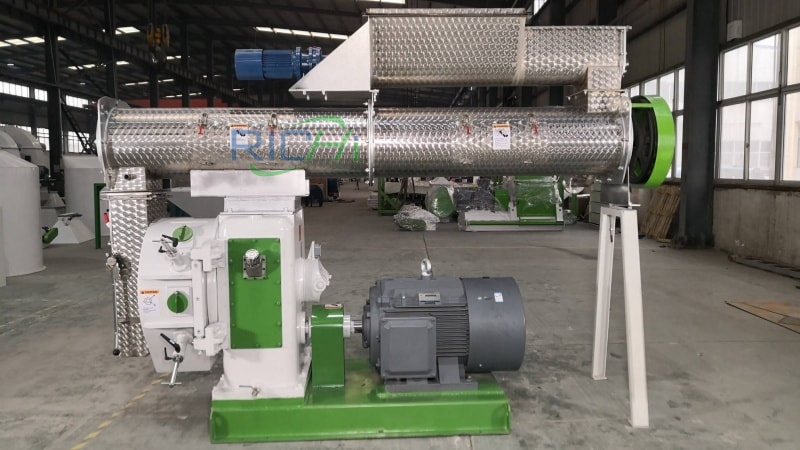
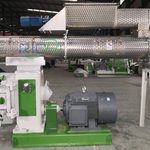
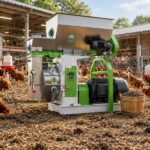
An animal bedding pellet machine may be configured for a product with different dimensions or density from cat litter.
The important question is not whether one machine can make everything.
It is whether the complete factory can transition between products efficiently without excessive downtime or product inconsistency.
Production scheduling therefore becomes part of equipment design.
Cleaning Between Product Runs
Product changeovers deserve serious attention.
Different customers may require different pellet sizes, packaging materials, or raw-material blends.
If residual material remains in conveyors, hoppers, or forming equipment, it can affect the next product.
Cleaning procedures should therefore be incorporated into the operating plan.
The easier a machine is to access and clean, the more practical multi-product manufacturing becomes.
This is an area where seemingly small equipment-design choices can have a large impact on long-term efficiency.
How Drying Capacity Affects Both Markets
Drying is often one of the shared bottlenecks in a multi-product factory.
If the cat litter line and bedding line rely on the same dryer, total demand needs to be considered.
A dryer that is adequate for one product may become insufficient when production schedules overlap.
For manufacturers comparing an industrial wood chip dryer for sale, the key factors should include actual feedstock moisture, required evaporation, fuel source, available operating hours, and downstream production capacity.
The correct drying system is the one that supports the complete production schedule.
Separate Packaging, Shared Preparation
The packaging requirements of cat litter and animal bedding can differ significantly.
Cat litter may be sold in smaller consumer bags.
Bedding can be supplied in larger bags, compressed packages, or bulk formats.
This makes separate packaging systems practical even when both products share upstream material preparation.
Such a design allows the factory to serve different market segments without rebuilding the core process.
Why Multi-Product Manufacturing Can Reduce Risk
Dependence on one product creates commercial exposure.
If demand changes, the factory has fewer alternatives.
A manufacturer supplying both pet-care and agricultural customers may be able to balance seasonal fluctuations.
For example, retail pet products may have one sales pattern, while farm and stable customers may operate on another purchasing cycle.
Diversification does not eliminate market risk, but it can provide more flexibility in how production capacity is used.
Turning Wood Waste into Several Revenue Streams
A woodworking company may generate several grades of residue.
Some material may be suitable for cat litter.
Another fraction may be more appropriate for animal bedding.
Larger chips may require additional size reduction.
Instead of treating all residues as one homogeneous stream, the factory can classify them according to their characteristics.
This creates the possibility of assigning different materials to different product categories.
The value comes from better resource utilization.
The Role of Size Reduction
Wood chips and coarse shavings cannot always be used directly for every product.
Size reduction may be necessary to create a more suitable feed material.
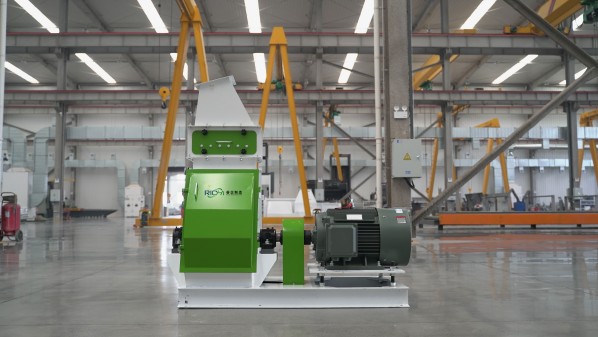
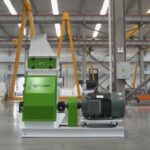
When processing larger volumes, the quality of the hammer mill becomes important because inconsistent particle preparation can affect downstream production.
A manufacturer evaluating a 2-3 T/H wood chip hammer mill for sale should therefore consider feed size, discharge particle size, moisture, screen configuration, and expected operating hours rather than focusing only on motor power.
Particle preparation is closely linked to final product consistency.
Product Quality Must Remain the Priority
Diversification should never mean lowering standards.
Each product line should have its own quality criteria.
Cat litter may be evaluated for dust, absorption, pellet consistency, odor, packaging, and consumer handling.
Animal bedding may be evaluated for moisture, softness, cleanliness, absorbency, dust, and ease of use.
The same factory can meet both requirements when the production system is properly controlled.
When a Shared Factory Makes Sense
A shared facility is particularly interesting when:
The factory has stable wood residue supply.
Multiple animal-care markets exist locally or regionally.
The company has enough production volume to justify shared infrastructure.
The products can be made from compatible raw materials.
Separate packaging or production branches can be installed.
The company has a clear sales strategy for each product.
The idea becomes less attractive when raw material is too limited or the two products require completely incompatible processing conditions.
Factory Layout for Future Growth
A multi-product facility should be designed with future expansion in mind.
There should be room for additional storage.
Conveyors should allow logical routing.
Packaging areas should be separated.
Maintenance access should not be obstructed by temporary inventory.
Electrical systems should allow reasonable future additions.
These details can make later expansion significantly easier.
From Single-Product Factory to Resource Platform
The broader opportunity is to stop thinking of the factory as a place that makes one product.
A better concept is a resource-processing platform.
The same raw-material infrastructure can support multiple finished products according to demand.
This creates greater flexibility and allows the company to extract more value from the same wood supply.
A producer that starts with cat litter may later add bedding, biomass fuel products, or other suitable applications as market opportunities develop.
Why Technical Planning Matters
A multi-product plant contains more variables than a single-product operation.
The production schedule, raw materials, equipment settings, product quality, packaging, and cleaning procedures all need coordination.
This is why technical planning should happen before equipment purchasing.
Suppliers should understand the entire manufacturing concept rather than simply quoting individual machines.
A useful reference point can be a pellet plant designed around several compatible materials and applications, with common upstream preparation and flexible downstream production.
A Different Way to Think About Equipment Investment
Instead of asking how much each machine costs, investors can ask how many business functions it supports.
A shared dryer may serve several products.
A common crusher may process multiple wood fractions.
A flexible conveyor network may support different production routes.
A modular packaging system may serve several bag sizes.
(Related Post: https://biomasspelletizer.com/sawdust-cat-litter-making-machine/)
This approach evaluates equipment according to its contribution to the factory as a whole.
Conclusion
Producing both cat litter and animal bedding in one factory can be a practical diversification strategy for businesses with stable wood-residue supply.
The key is to identify which stages can be shared and which need to remain product-specific.
Raw-material handling, drying, particle preparation, and conveying can often form a common infrastructure, while forming settings, screening criteria, packaging, and product specifications may vary.
The result can be a more flexible manufacturing operation that serves multiple customer groups while improving the use of available wood resources.
For companies considering diversification, the biggest opportunity may not be one new product.
It may be the ability to turn one raw-material stream into several commercial products through a carefully planned production system.