



Germany has a reputation for engineering that extends far beyond cars and machine tools. The country’s approach to industrial production, built on precision, standardization, and long-term planning, has shaped how many manufacturing sectors operate. Material processing is no exception. Companies that want to understand efficient production often study German methods, not because they are perfect, but because they are systematic.
This applies to a wide range of industries, from food processing to biomass energy to mineral products. It also applies to pet care products, where German producers and consumers have pushed standards for quality, consistency, and environmental responsibility. Understanding how Germany approaches industrial processing helps explain why certain products command premium prices and why certain facilities are considered models for others to follow.
The German Approach to Manufacturing
German industrial culture emphasizes several principles that appear across sectors. Precision is one. Processes are controlled tightly, and deviations are investigated rather than ignored. Standardization is another. Equipment, interfaces, and procedures follow common norms, which reduces friction and improves compatibility. Long-term planning is a third. Companies invest in training, maintenance, and incremental improvement rather than chasing short-term gains.
These principles have practical consequences. A German production line tends to be well documented. Operators are trained systematically. Maintenance is scheduled rather than reactive. Quality control is built into the process, not added at the end. Energy efficiency is treated as a design parameter, not an afterthought.
This approach is not unique to Germany, but it is more widespread there than in many other countries. It reflects a combination of industrial history, vocational training systems, and regulatory pressure. The result is a manufacturing environment where consistency and reliability are expected, not exceptional.
Why Pet Care Products Follow Industrial Logic
Pet care products may seem far removed from heavy industry, but they follow the same logic. Cat litter is a manufactured product with raw material inputs, process parameters, quality standards, and distribution requirements. It is produced in factories, tested against specifications, and sold through retail channels. The fact that the end user is a cat does not change the industrial nature of the production.
German consumers are known for being demanding. They read labels. They compare products. They expect performance claims to be accurate. This puts pressure on producers to maintain consistent quality. A litter that clumps well in one batch but poorly in the next will lose shelf space quickly.
German producers also face environmental regulations that are stricter than in many other markets. Waste handling, dust emissions, energy use, and packaging are all regulated. This pushes producers to design processes that reduce waste and emissions. It also raises the cost of production, which means the product must command a higher price or achieve greater efficiency.
What Defines a Modern Processing Facility
A modern processing facility is not defined by size alone. It is defined by how well it integrates raw material handling, production, quality control, and logistics.
Raw material storage must protect against moisture, contamination, and pests. Inbound materials should be tested before acceptance. Process equipment should be matched so that each stage operates at a rate the next stage can handle. Dust collection should be designed into the layout, not added later. Finished product storage should be dry, ventilated, and organized for rotation.
Energy management is part of the design. Motors, dryers, coolers, and conveyors all consume power. A facility that runs at partial load may have high energy cost per ton. A facility that runs too fast may produce poor quality and wear out equipment. Finding the right operating rate is an ongoing task.
Labor and training are also part of the system. Operators need to understand the process, not just follow instructions. Maintenance staff need to know how to service equipment and recognize early signs of wear. Supervisors need to track performance and respond to deviations.
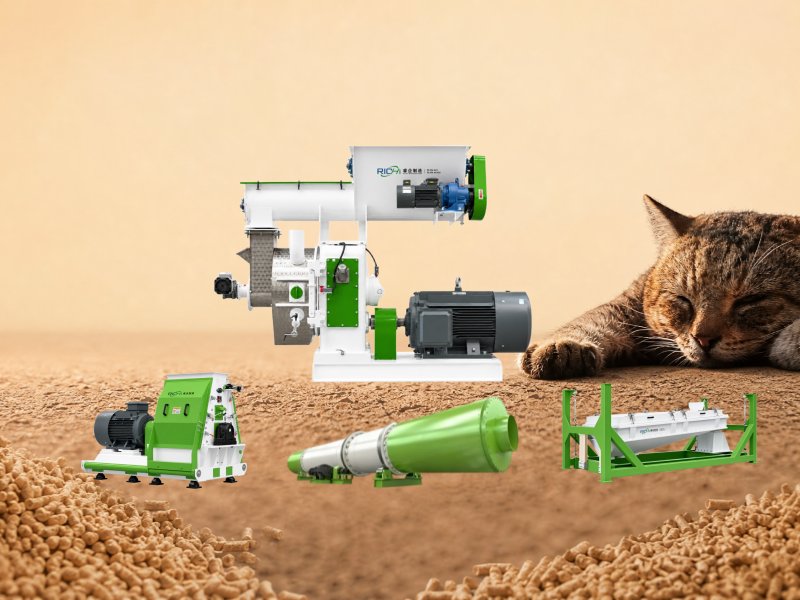
A Cat Litter Production Facility built on these principles will produce consistent product, reduce downtime, and maintain quality over time. The equipment matters, but the system around the equipment matters more.
Raw Materials and Regional Supply
Germany does not have large domestic deposits of sodium bentonite, the primary material for clumping cat litter. Producers must import raw materials or use alternatives. This creates a different cost structure than in regions with local deposits.
Imported bentonite must be transported by ship, rail, or truck. Each transfer adds cost and handling risk. Moisture content can change during transport. Quality can vary by shipment. A German producer must manage these variables carefully.
Alternative materials are used where they make sense. Zeolite and diatomite are imported for odor control. Plant-based fibers such as wood or agricultural by-products are available locally or from nearby countries. Some producers blend materials to reduce reliance on any single supplier.
The choice of raw materials affects the production process. Imported bentonite may need different drying or conditioning than local material. Plant fibers may need different grinding and binding. The facility must be flexible enough to handle these variations without sacrificing quality.
This flexibility is a design requirement, not a bonus. A facility built around a single raw material source is vulnerable to supply disruption. A facility designed to handle multiple materials is more resilient but also more complex to operate.
Process Control and Quality Assurance
Quality assurance in a modern facility is not a final inspection. It is a series of checks throughout the process.
Incoming materials are tested for moisture, particle size, purity, and performance. A simple clumping test can reveal whether a batch of bentonite behaves as expected. A moisture meter can detect problems before storage.
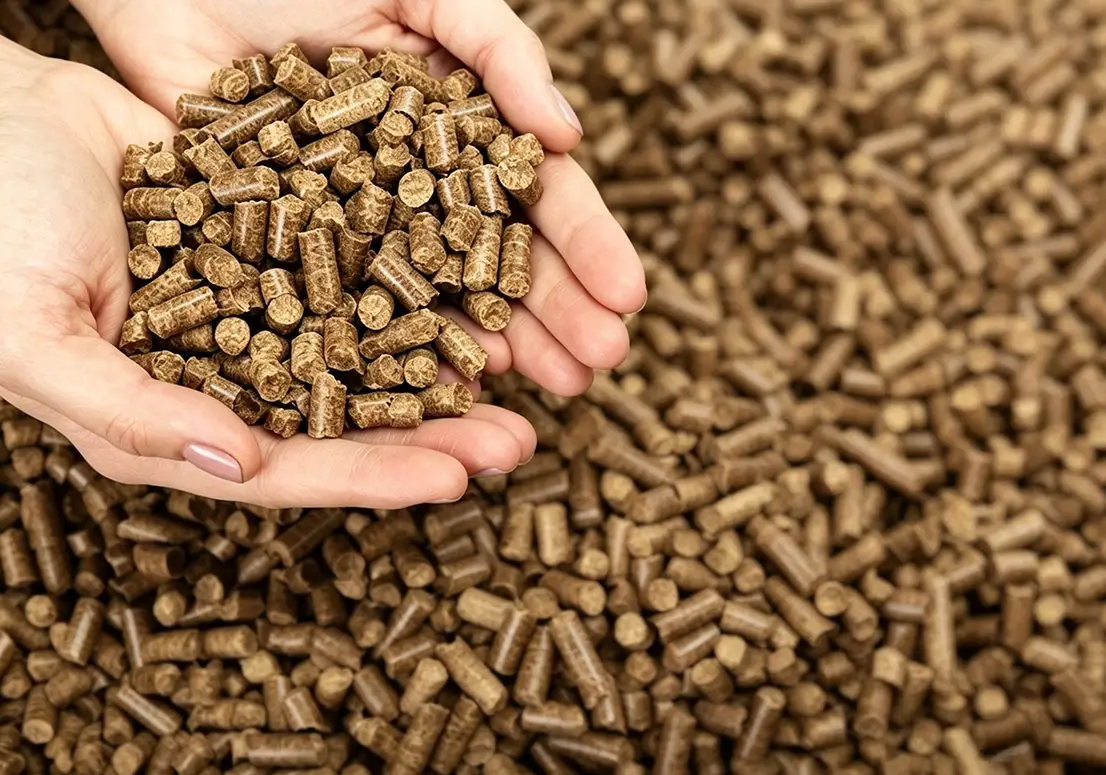
In-process checks monitor grinding, mixing, granulation, drying, and cooling. Particle size after grinding affects granule strength. Mixing uniformity affects consistency. Granule hardness and size distribution affect customer satisfaction. Moisture after drying affects shelf life.
Finished product is tested for clumping, dust, odor control, and durability. Samples are retained for traceability. If a customer complains, the producer can identify the batch and investigate the cause.
Record-keeping is part of quality assurance. Production data, test results, and maintenance records should be kept and reviewed. Trends can reveal problems before they become serious. A facility that does not keep records cannot improve systematically.
Environmental Responsibility as a Business Factor
Environmental responsibility is not only a regulatory requirement. It is a business factor. Retailers and consumers increasingly prefer products with credible environmental claims. Producers that can demonstrate responsible sourcing, reduced waste, and efficient energy use have an advantage.
Dust control reduces emissions and protects workers. Waste reduction lowers raw material cost and disposal cost. Energy efficiency lowers operating cost and carbon footprint. Packaging choices affect recyclability and consumer perception.
Some producers go further, using biodegradable materials or renewable energy. These choices can differentiate a product in the market. But they must be backed by real performance. A biodegradable litter that does not clump well will not succeed, no matter how good its environmental story.
The German Market as a Reference Point
For producers in other countries, the German market offers a useful reference. It shows how demanding customers, strict regulations, and strong engineering culture combine to shape products and processes. It also shows the limits of that approach. High standards raise costs. Not every market can support premium pricing. Not every producer can match German quality without significant investment.
A Cat Litter Production Facility in Germany operates under conditions that differ from those in Asia, North America, or other parts of Europe. Labor costs are higher. Energy costs are higher. Environmental rules are stricter. These conditions favor automation, efficiency, and premium products. They make it difficult to compete on price alone.
Producers in other markets can learn from German methods without copying them exactly. The principles of systematic planning, process control, and quality assurance apply everywhere. The specific choices depend on local conditions.
Equipment Selection for Different Markets
Equipment selection should reflect the market and the raw materials, not a generic template. A facility in a region with cheap labor may choose manual or semi-automatic operation. A facility in a high-wage region may invest in automation to reduce labor cost.
A facility using local bentonite may need different dies and drying parameters than one using imported material. A facility producing plant-based litter may need different binding and granulation settings than one producing mineral litter. A facility serving a premium market may need tighter quality control and better dust collection than one serving a budget market.
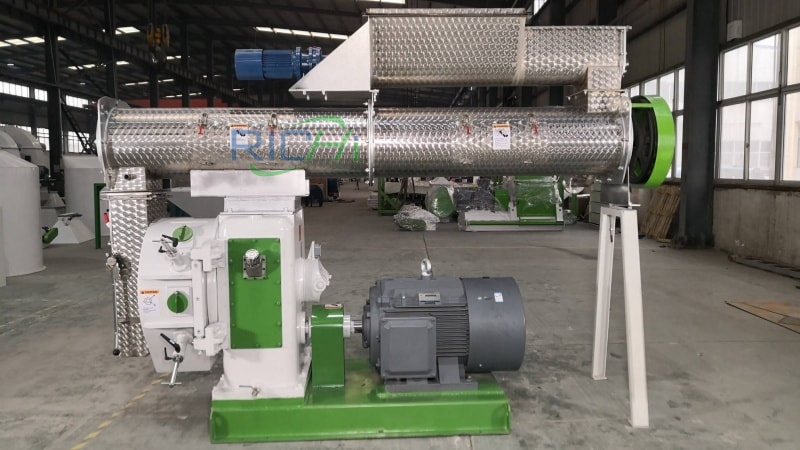
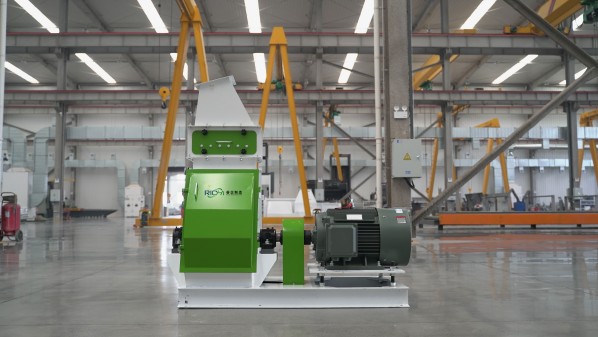
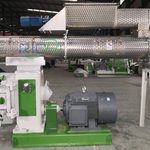
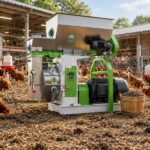
Producers often look at a pellet machine as the core of the process, and it is important. But the machine must be matched to the material and the product. A pellet machine designed for animal feed may not perform well with mineral litter. A machine designed for one granule size may not easily switch to another. The supplier should understand the application, not just the equipment category.
Planning and Investment
Setting up a processing facility is a capital project. It requires land, buildings, utilities, equipment, and working capital. The investment should be planned in phases.
Market research comes first. Who are the customers? What products do they buy? What prices do they pay? What performance do they expect? This information shapes the product and the facility.
Capacity planning follows. How much product can be sold? How many shifts are needed? How much storage is required? The facility should be sized to meet current demand with some room for expansion, but not so large that equipment sits idle.
Layout and infrastructure come next. Material flow, storage, dust control, utilities, and safety should all be considered. The layout should allow efficient operation and future expansion.
Equipment selection and supplier evaluation follow. The cheapest option is rarely the best. Total cost of ownership includes energy, maintenance, spare parts, and downtime. The supplier’s experience and support matter as much as the machine specifications.
Operating the Facility Over Time
Once the facility is running, daily management determines whether it remains profitable. Production records should track output, downtime, energy use, and quality results. Maintenance should be scheduled, not reactive. Operators should be trained and retrained as formulas and equipment change.
Raw material inventory should be managed to avoid shortages and excess. Finished product inventory should be rotated to ensure freshness. Customer feedback should be collected and acted on. A complaint about dust or clumping is a signal to investigate the process.
Energy consumption deserves attention. Granulation, drying, cooling, and conveying all consume power. A facility that runs at partial load may have high energy cost per ton. A facility that runs too fast may produce poor quality and wear out equipment. Finding the right operating rate is an ongoing task.
Conclusion
Germany’s industrial reputation is built on systematic planning, process control, and long-term thinking. These principles apply to cat litter production as much as to any other manufacturing sector. A Cat Litter Production Facility that follows these principles will produce consistent product, reduce waste, and maintain quality over time.
Producers in other markets can learn from German methods without copying them exactly. The right approach depends on local raw materials, labor costs, regulations, and customer expectations. A Cat Litter Production Facility in Germany operates under specific conditions that favor premium quality and high efficiency. Producers elsewhere must adapt the principles to their own situation.
Equipment is part of the picture. A pellet machine can be the core of the production line, but it is only one component. The system around the machine, including raw material handling, quality control, dust management, and distribution, determines whether the business succeeds. Producers who understand the full system are better positioned than those who focus only on the equipment.