

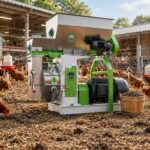



Not every biomass producer needs a large industrial factory. Farms, agricultural cooperatives, local biomass suppliers, and small energy businesses may have enough grass or miscanthus to justify pellet production without building a high-capacity plant.
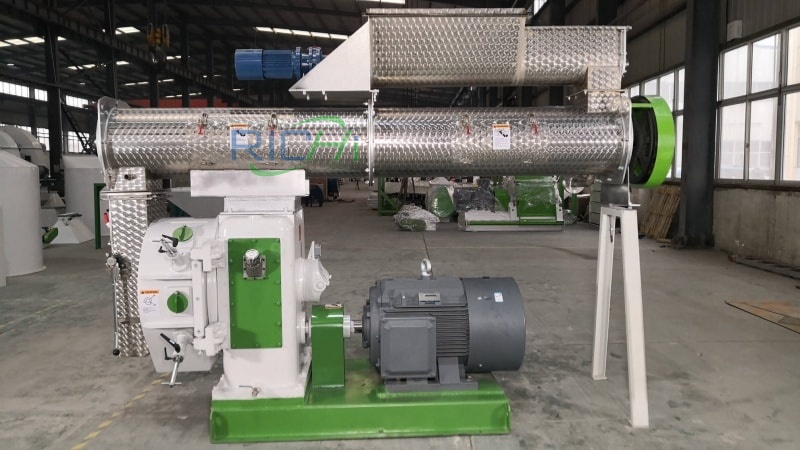
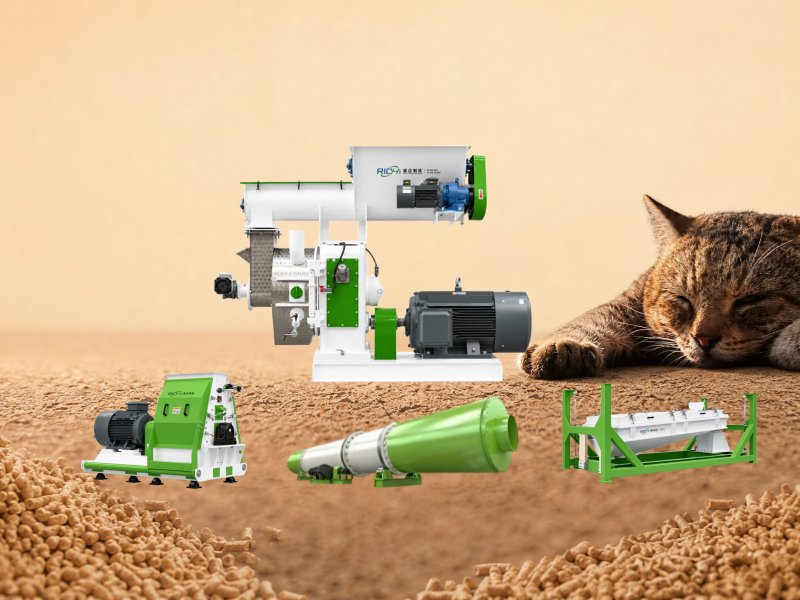
For these applications, a compact miscanthus pellet mill can provide a practical way to convert locally available biomass into a denser and easier-to-handle product.
The Advantage of Starting Small
Small-scale production can reduce the initial complexity of a biomass project. Instead of investing immediately in a large factory, a business can focus on processing a manageable quantity of locally available material.
This can be especially useful when the producer has limited storage space or when the local market is still developing. A smaller system can allow the business to understand raw material behavior, pellet demand, maintenance requirements, and operating costs before considering expansion.
The key is to ensure that the machine is still designed for the actual material. Small capacity does not mean the equipment can ignore the characteristics of grass or miscanthus.
Raw Material Preparation Still Matters
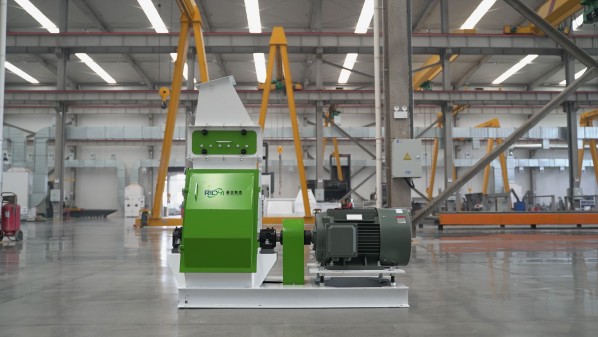
A compact production system still needs suitable preparation. Long stalks may require crushing, while wet biomass may need drying.
The producer should also consider how the raw material will be moved between stages. Manual handling may be practical at very small volumes but quickly becomes inefficient as production increases.
Conveyors, hoppers, and controlled feeding can reduce unnecessary labor and help maintain a steady production rate.
Choosing the Right Compact Machine
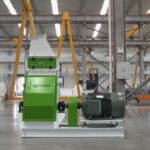
When evaluating a small grass pellet machine, buyers should look beyond physical size. The machine should have a feeding system appropriate for lightweight biomass and a compression system capable of producing consistent pellets.
The die configuration also matters. Pellet diameter and compression characteristics should correspond to the intended application.
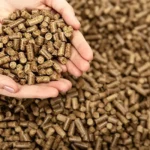
For fuel pellets, the final product needs adequate mechanical strength for transportation and storage. Excessive fines can reduce handling efficiency and may indicate that raw material preparation or pelletizing conditions need adjustment.
Matching the Machine to Available Electricity
Small producers may operate in locations where electrical infrastructure is limited. Motor power and total connected load should therefore be considered during planning.
The available voltage and frequency must match the equipment configuration. If additional dryers or crushers are required, their electrical and thermal requirements should also be included.
A compact plant may still require several machines, so total energy demand should be calculated rather than looking only at the pellet mill motor.
Storage Can Be the Hidden Challenge
Producing pellets is only half of the process. Finished pellets need to be protected from rain, high humidity, and direct exposure to moisture.
Small businesses often underestimate storage requirements because pellets occupy less volume than loose grass. However, consistent production can quickly create substantial quantities of finished material.
Storage should provide sufficient ventilation and protection while allowing convenient loading for local customers or transport vehicles.
Local Markets Can Support Small Producers
Small-scale pellet production may work particularly well where biomass resources and customers are located close together. Short transportation distances can reduce logistics costs and make local supply more competitive.
Farm heating systems, small commercial boilers, agricultural businesses, and local biomass users may provide potential markets depending on regional regulations and fuel demand.
When researching equipment options, a knockout post or an attractive product advertisement should never replace technical evaluation. Buyers need to understand actual capacity, raw material requirements, power consumption, and maintenance expectations.
The availability of a pellet mill for sale is only the beginning. A successful small-scale project depends on whether the equipment fits the producer’s feedstock, electricity, space, labor, storage, and local market.
Starting with an appropriately sized machine can be a sensible strategy when the business wants to develop biomass processing gradually rather than commit immediately to a large industrial facility.
view details: https://www.richimanufacture.com/miscanthus-pellet-mill/