


In today’s world, waste management and renewable energy development have become two of the most important challenges facing governments, industries, and communities. Every year, enormous quantities of agricultural residues, forestry by-products, and industrial organic waste are generated worldwide. While much of this material has traditionally been discarded, burned, or left to decompose, growing environmental concerns and rising energy demands have encouraged the search for more sustainable solutions.
Biomass pelletizing has emerged as one of the most effective methods for converting waste materials into valuable renewable fuel. By transforming low-value biomass residues into high-density pellets, biomass pelletizing not only reduces waste but also creates economic opportunities, supports renewable energy production, and contributes to environmental sustainability.
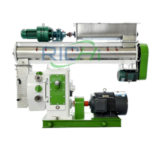
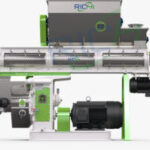
Modern equipment such as the vertical ring die pellet machine has made biomass pellet production more efficient and accessible than ever before. As a result, biomass pelletizing is increasingly recognized as a practical way to create value from materials that were once considered waste.
https://pelletisingmachine.com/vertical-ring-die-pellet-machine
Understanding Biomass Waste
Biomass waste refers to organic materials generated as by-products of agricultural, forestry, and industrial activities.
Common biomass waste materials include:
- Sawdust
- Wood shavings
- Wood chips
- Rice husks
- Wheat straw
- Corn stalks
- Sugarcane bagasse
- Cotton stalks
- Peanut shells
- Palm fiber
- Forestry residues
These materials are often produced in large quantities and may have limited direct economic value in their raw form.
Without effective utilization strategies, biomass waste can create environmental and logistical challenges.
Traditional Waste Disposal Problems
Historically, many biomass residues have been managed through methods that offer little economic benefit.
Open Burning
Farmers frequently burn crop residues to clear fields after harvest.
This practice contributes to:
- Air pollution
- Greenhouse gas emissions
- Public health concerns
- Loss of valuable resources
Landfilling
Some biomass waste is disposed of in landfills, where it occupies space and generates methane during decomposition.
Natural Decomposition
Although organic materials eventually decompose, this process often releases greenhouse gases and fails to capture the energy contained within the biomass.
These traditional disposal methods represent lost opportunities for value creation.
What Is Biomass Pelletizing?
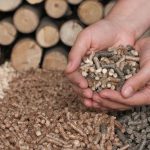
Biomass pelletizing is the process of compressing organic materials into small, dense cylindrical pellets.
The process generally includes:
- Raw material collection
- Drying
- Grinding
- Pelletizing
- Cooling
- Screening
- Packaging
During pellet formation, natural lignin within the biomass softens under heat and pressure, acting as a binder that holds particles together.
The resulting pellets possess several desirable characteristics:
- High density
- Uniform size
- Improved energy content per unit volume
- Ease of transportation
- Efficient combustion
These properties significantly increase the value of raw biomass materials.
Transforming Waste into a Marketable Product
One of the most important ways biomass pelletizing creates value is by converting low-value waste into a commercially valuable fuel.
For example:
- Sawdust from a sawmill may have minimal market value.
- Rice straw may be considered a disposal problem.
- Corn stalks may be left unused after harvest.
After pelletizing, these materials become renewable fuel products that can be sold to:
- Homeowners
- Commercial facilities
- Industrial manufacturers
- Power generation companies
This transformation creates entirely new revenue opportunities from existing waste streams.
Increasing the Economic Value of Biomass
Raw biomass materials often suffer from low market prices due to their bulkiness and handling difficulties.
Pelletizing significantly increases their value by improving:
Energy Density
Compressed pellets contain more energy per unit volume than loose biomass.
Transportability
Pellets are easier and less expensive to transport.
Storage Efficiency
High-density pellets require less storage space.
Fuel Consistency
Standardized pellet dimensions improve usability and market acceptance.
These improvements allow producers to command higher prices compared to unprocessed biomass materials.
Supporting Renewable Energy Production
Biomass pellets are widely used as renewable fuel.
Applications include:
- Residential heating
- Commercial boilers
- Industrial steam generation
- Biomass power plants
- Combined heat and power systems
The ability to convert waste into renewable energy creates value on multiple levels.
Users gain access to sustainable fuel, while producers generate revenue from waste materials.
At the same time, societies benefit from reduced dependence on fossil fuels.
Creating Additional Income for Farmers
Agricultural operations generate substantial quantities of biomass residues each year.
Examples include:
- Wheat straw
- Rice straw
- Corn stalks
- Cotton stalks
- Peanut shells
Traditionally, many of these materials have limited economic value.
Biomass pelletizing creates demand for agricultural residues, allowing farmers to earn additional income by selling materials that were previously discarded or burned.
This supplemental revenue can improve farm profitability and encourage sustainable residue management practices.
Supporting Rural Economic Development
Biomass pellet production facilities are often located near agricultural and forestry regions.
These facilities create employment opportunities in areas such as:
- Biomass collection
- Transportation
- Equipment operation
- Plant maintenance
- Logistics management
The development of pellet production industries stimulates local economies and creates jobs in rural communities.
This economic activity further increases the value generated from biomass waste.
Improving Resource Efficiency
Modern sustainability strategies emphasize maximizing the use of available resources.
Biomass pelletizing supports this goal by ensuring that organic residues are utilized rather than discarded.
Instead of treating biomass as waste, pelletizing recognizes its potential as:
- Fuel
- Economic resource
- Renewable energy feedstock
This approach improves overall resource efficiency and reduces waste generation.
Supporting Circular Economy Principles
The circular economy aims to minimize waste while maximizing resource utilization.
Biomass pelletizing aligns perfectly with this philosophy.
In a circular system:
- Agricultural residues become fuel.
- Forestry by-products become energy resources.
- Industrial wood waste becomes marketable products.
By keeping materials in productive use, pelletizing creates value while reducing environmental impacts.
Reducing Environmental Costs
Waste disposal often carries environmental and financial costs.
For example:
Air Pollution Reduction
Diverting agricultural residues from open burning reduces harmful emissions.
Landfill Diversion
Utilizing biomass waste decreases landfill requirements.
Greenhouse Gas Mitigation
Converting waste into fuel can help reduce methane emissions from decomposition.
These environmental benefits have economic value as governments and businesses increasingly prioritize sustainability.
Enhancing Energy Security
Many countries depend heavily on imported fossil fuels.
Biomass pellets can often be produced using locally available waste materials.
This contributes to:
- Domestic energy production
- Reduced fuel imports
- Greater energy independence
- More resilient energy systems
The ability to transform local waste resources into energy strengthens national energy security and creates long-term value.
The Role of the Vertical Ring Die Pellet Machine
Efficient pellet production requires advanced equipment capable of processing diverse biomass materials.
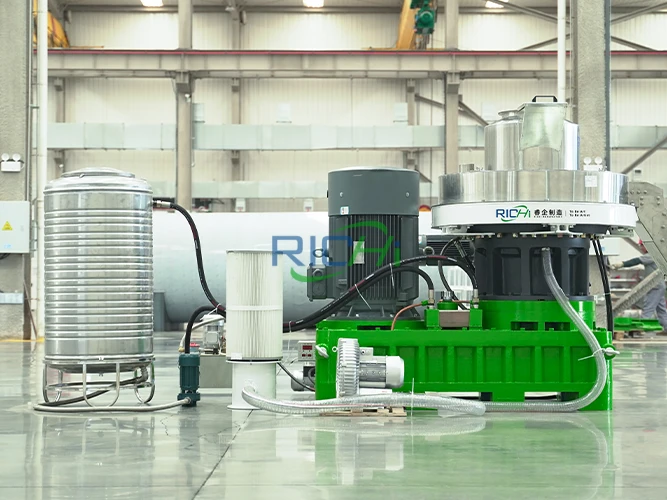
The vertical ring die pellet machine has become one of the most widely used technologies in modern biomass pellet production.
Its design offers several advantages that contribute directly to value creation.
Efficient Processing of Various Materials
The vertical ring die pellet machine can process:
- Wood waste
- Agricultural residues
- Forestry by-products
- Energy crops
This flexibility allows producers to utilize multiple waste streams.
High Pellet Quality
Strong compression forces help create dense, durable pellets with high market value.
Improved Production Efficiency
The machine supports continuous operation and stable output.
Lower Operating Costs
Efficient design reduces wear and maintenance requirements.
These benefits improve profitability and maximize the value extracted from biomass waste.
Expanding Market Opportunities
Pelletizing creates access to a wide range of markets.
Potential customers include:
Residential Heating Users
Homeowners increasingly use biomass pellets for heating.
Commercial Facilities
Schools, hospitals, and office buildings often utilize biomass boilers.
Industrial Manufacturers
Many industries use biomass pellets for steam and heat generation.
Utility Companies
Power plants consume large quantities of biomass fuel.
The ability to serve multiple customer segments increases revenue potential and business stability.
Improving Transportation Economics
Raw biomass materials are often difficult and expensive to transport due to their low bulk density.
Pelletizing significantly improves transportation economics.
Benefits include:
- Lower shipping costs
- Improved vehicle utilization
- Reduced handling expenses
- Greater transportation efficiency
This expanded logistical efficiency allows biomass resources to reach larger markets, increasing their commercial value.
Encouraging Sustainable Forestry Practices
Forestry operations generate substantial quantities of residues, including:
- Branches
- Bark
- Wood chips
- Thinning materials
Pelletizing provides a productive use for these by-products.
This helps improve forest management while generating additional revenue from forestry activities.
Modern facilities equipped with a vertical ring die pellet machine can efficiently process forestry residues into high-quality fuel pellets.
Supporting Industrial Decarbonization
Many industries are seeking alternatives to fossil fuels as they pursue carbon reduction goals.
Biomass pellets provide a renewable fuel option that can often be integrated into existing heating systems.
By supplying renewable fuel derived from waste materials, pellet producers help industries:
- Reduce carbon emissions
- Meet sustainability targets
- Improve environmental performance
This growing demand creates additional value for biomass waste resources. (click to investigate)
Increasing Investment Opportunities
As renewable energy markets expand, investors are increasingly interested in biomass pellet production.
Factors driving investment include:
- Growing pellet demand
- Renewable energy incentives
- Environmental regulations
- Carbon reduction initiatives
The ability to create valuable products from low-cost waste materials improves business profitability and investment attractiveness.
Future Innovations in Biomass Pelletizing
The biomass industry continues to evolve through technological advancements.
Future innovations may include:
- Smart process automation
- Advanced moisture control systems
- Artificial intelligence optimization
- Enhanced pellet mill designs
- Improved feedstock preprocessing
These developments will further increase the efficiency and profitability of converting waste into valuable fuel products.
Long-Term Sustainability Benefits
Biomass pelletizing creates value not only in economic terms but also through long-term sustainability benefits.
These include:
- Waste reduction
- Renewable energy generation
- Lower emissions
- Resource conservation
- Rural development
By transforming waste into useful products, biomass pelletizing supports a more sustainable and resilient economy.
Conclusion
Biomass pelletizing is an effective and increasingly important method for creating value from waste. Through the conversion of agricultural residues, forestry by-products, and industrial organic waste into high-density fuel pellets, pelletizing transforms low-value materials into marketable renewable energy products.
This process generates economic opportunities for farmers, businesses, and rural communities while reducing waste disposal challenges and supporting environmental sustainability. Advanced equipment such as the vertical ring die pellet machine further enhances production efficiency, pellet quality, and operational profitability.
As global demand for renewable energy continues to grow, biomass pelletizing will play an increasingly significant role in turning waste into wealth. By improving resource utilization, supporting circular economy principles, and contributing to cleaner energy systems, biomass pelletizing demonstrates how innovative technologies can unlock the hidden value within organic waste materials.

