
Indonesia is one of the most resource-rich countries in Southeast Asia, with abundant agricultural residues, forestry by-products, and biomass waste generated every year. As the country accelerates its transition toward renewable and low-carbon energy, the biomass pellet fuel production line in Indonesia has become an increasingly attractive solution for energy producers, investors, and industrial users seeking clean and sustainable fuel alternatives.
Indonesia’s Biomass Resources and Market Potential
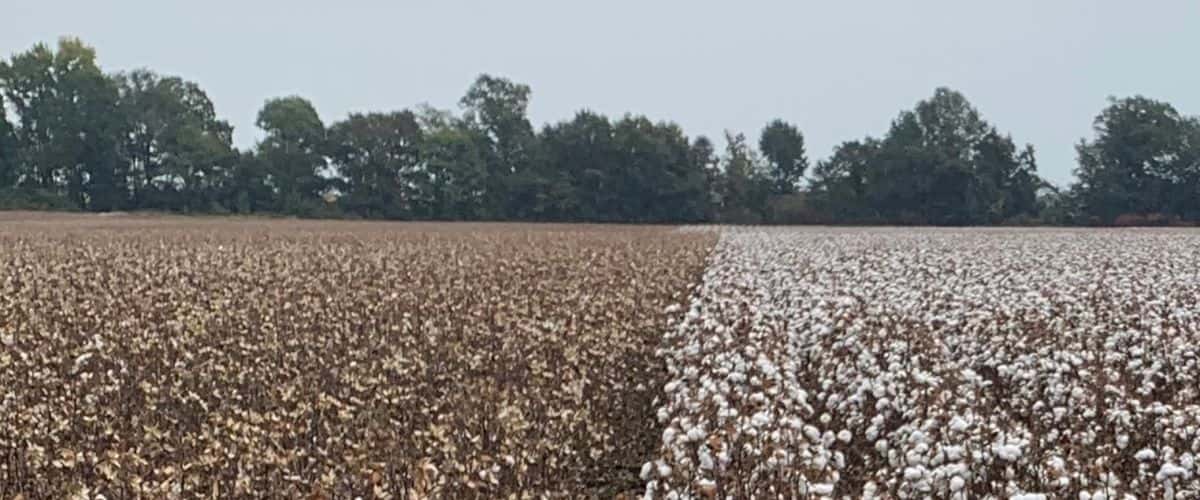
Indonesia’s strong agricultural and plantation economy provides a stable supply of biomass raw materials. Commonly used materials for pellet fuel production include palm fiber, palm kernel shell, rice husk, rice straw, coconut shell, sawdust, wood chips, and other agro-industrial residues.
With rising energy demand and growing environmental regulations, biomass pellet fuel manufacturing in Indonesia offers a practical way to convert low-value waste into high-density renewable fuel. Biomass pellets are widely used in industrial boilers, power plants, district heating systems, and export markets, particularly in Asia and Europe.
Typical Process Flow of a Biomass Pellet Fuel Production Line
A complete biomass pellet fuel production line in Indonesia is composed of several interconnected processing stages designed to ensure stable output and consistent pellet quality.
The process starts with raw material handling and pre-treatment. Depending on the initial size and moisture content, biomass materials are crushed using a hammer mill or wood crusher to achieve uniform particle size. For high-moisture materials, a rotary drum dryer or belt dryer is integrated to reduce moisture to the optimal level for pelletizing.
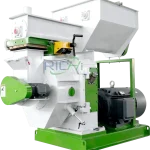
Next, the dried material enters the pelletizing section, where a high-efficiency biomass pellet mill compresses the material under high pressure and temperature. This process activates natural lignin as a binder, forming dense and durable biomass fuel pellets without chemical additives.
After pelletizing, the hot pellets are cooled using a counterflow cooler to improve mechanical strength and storage stability. Screening systems remove fines, which can be recycled back into the production line. Finally, the finished pellets are packed in bags or bulk containers, ready for transportation and end use.
Key Technical Advantages for the Indonesian Market
A well-designed biomass pellet fuel production line in Indonesia is engineered to handle diverse raw materials with varying fiber content and hardness. Wear-resistant ring dies and rollers ensure long service life when processing abrasive materials such as palm kernel shells and rice husks.
High automation levels allow operators to control production parameters, monitor energy consumption, and maintain consistent pellet quality. For investors, an automatic biomass pellet production line in Indonesia reduces labor costs while improving operational efficiency and safety.
In addition, modular system design allows easy capacity expansion, making it suitable for both small-scale pellet plants and large industrial biomass energy projects.
(Useful link: https://pelletisingmachine.com/wood-pellet-production-line/)
Wide Applications of Biomass Pellet Fuel
Biomass pellets produced by a biomass pellet fuel processing line in Indonesia are widely used as an alternative to coal and fossil fuels. In industrial boilers and power generation, biomass pellets help reduce carbon emissions and comply with environmental regulations.
For export-oriented producers, biomass pellets offer strong market potential due to increasing global demand for renewable energy sources. Many Indonesian pellet manufacturers supply pellets to international markets, benefiting from stable quality and competitive production costs.
Economic and Environmental Benefits
Investing in biomass pellet fuel production equipment in Indonesia delivers both economic and environmental advantages. By converting agricultural and forestry waste into valuable fuel, producers can create new revenue streams while reducing waste disposal costs.
From an environmental perspective, biomass pellet fuel supports carbon neutrality goals and promotes sustainable resource utilization. For Indonesia, developing biomass energy infrastructure also contributes to rural employment and long-term energy security.
(view)
Conclusion
With abundant biomass resources and growing demand for renewable energy, Indonesia offers ideal conditions for biomass pellet fuel production. A professional biomass pellet fuel production line in Indonesia enables efficient processing of local raw materials, consistent pellet quality, and scalable production capacity. As global and domestic markets continue to expand, biomass pellet fuel production will remain a key pillar in Indonesia’s renewable energy development.